Historical Overview
Country: Brazil (First Republic)
Main Location: Canudos, Bahia, Brazil (Antônio Conselheiro's Belo Monte settlement on the Vaza-Barris; four republican expeditions)
Beginning Date: 1896 (first Bahia police-military clashes with Conselheiro's people; the settlement already a sertão city of the poor)
End of Revolutionary Uprising: 5 October 1897 (Canudos taken and destroyed after the fourth expedition; Conselheiro already dead in September)
Broader Revolutionary Period: 1896–1897
Movement Type: Sertão Millenarian Resistance; Anti-Republican Settlement War
Principal Organization: Antônio Conselheiro's Belo Monte community; jagunço captains including Pajeú and João Abade; a holy city with streets, churches, and a military perimeter
Opposing Power: Bahia state forces then the Brazilian army; Colonel Moreira César of the third expedition; General Artur Oscar of the fourth
Major Participants: Sertanejo pilgrims and fighters of Canudos, republican officers of four expeditions, journalists who made a 'fanatic' epic, later readers of Euclides da Cunha's aftermath prose.
Years used on the map: 1896–1897.
Mapped place: Canudos, Bahia, Brazil.
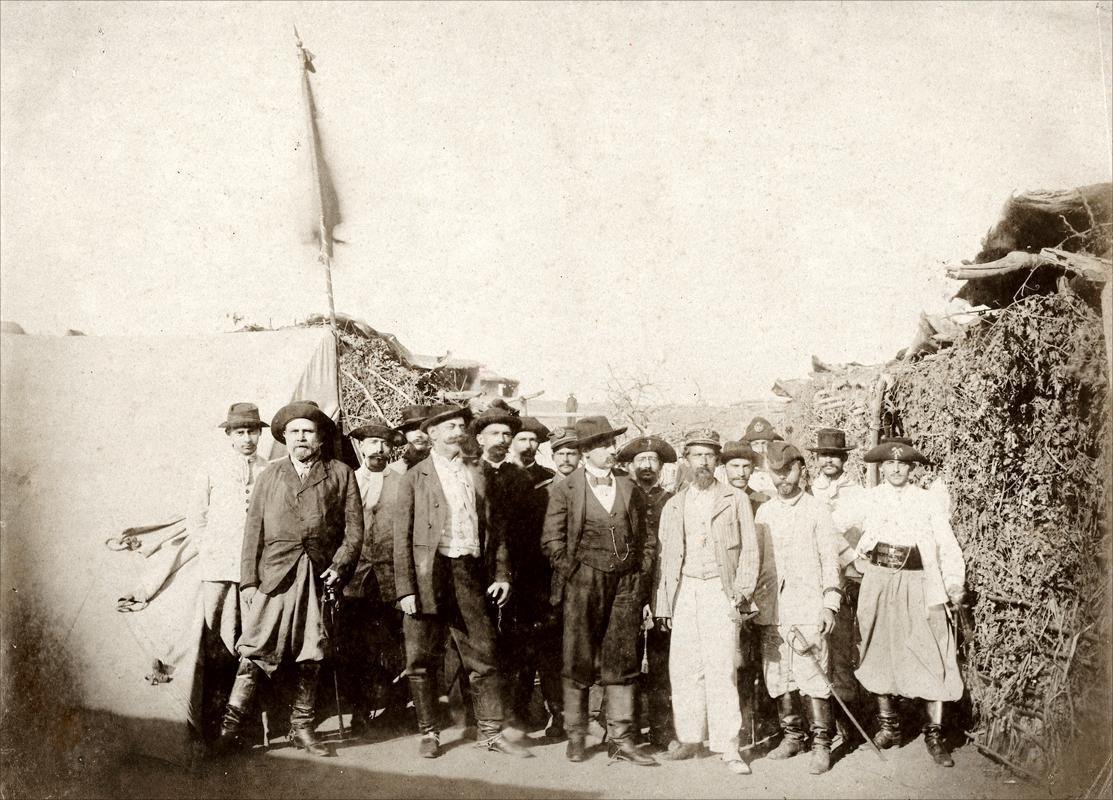
The Canudos War of 1896–97 was the First Republic's sertão destruction of a holy city: Antônio Conselheiro's Belo Monte, four expeditions, Moreira César's death in the third, Artur Oscar's fourth as a siege of hunger and artillery, and 5 October 1897 as a ruin where the last jagunços still had to be found in the rubble.
It is not the Sabinada's Salvador lodges and not the Contestado's railroad monks as a single story. It is a Bahia interior city the republic could not read except as monarchist treason. Conselheiro preached against the new civil marriage and the tax of a godless census. The army answered with a sequential humiliation until it brought enough guns.
1. A sertão city, not a bandit camp.
2. Four expeditions, the third killing Moreira César.
3. 5 October 1897 as demolition.
Historical Background and Causes
Drought, displaced poor, a travelling conseheiro who settled at Canudos, and a republic nervous of backlands monarchist rumour: 1896 combined them. Belo Monte grew as architecture of refusal.
Bahia's first columns were too small. Each defeat recruited for Conselheiro. Rio decided on annihilation as prestige.
A. Belo Monte as a city of the poor
A rival urban fact in the sertão.
B. Republican anti-clerical civil registry
A state in the marriage bed.
C. Drought refugees
A population that had walked to a saint.
D. Army prestige after early defeats
Moreira César as a revenge-hero.
E. Press panic
A capital that needed a fanatic enemy.
Formation and Organisation
Religious-civil government under Conselheiro, captains of the trenches (Pajeú, João Abade), women and children as the city's body, then sequential republican expeditions. The fourth ringed the hills (Favela as a toponym the later slums would reuse). Hunger finished what rifles began.
Major Organizations Organization Historical Role Conselheiro / Belo Monte Holy-city core Pajeú and João Abade Jagunço captains Moreira César (3rd) Republican shock-failure Artur Oscar (4th) Destruction
Beginning of the Revolution
Date: 1896 (first Bahia police-military clashes with Conselheiro's people; the settlement already a sertão city of the poor) 1896: first fights, republican embarrassment. 1897: third expedition, Moreira César dead, panic in Bahia. Fourth expedition: siege. September: Conselheiro dies inside. 5 October: the city ends as a place.
The beginning is a police mistake. The end is a deletion of streets. Major Developments • 1896 first clashes.
• Third expedition disaster. • Siege. • 5 Oct 1897 destruction.
A Dead Colonel, a Dead Conselheiro, a City Rubbed Out
Euclides da Cunha would write the republic's guilty masterpiece after. This atlas keeps 1896–97 as a war of a settlement against a national army, not as a literary preface. Moreira César's cruelty and death are the third expedition's double fact. Antônio Beatinho and other inner names show a government of the holy city, not a lone madman. 5 October is an urbanicide in the sertão.
A. 1896
B. 1897 third
C. 5 Oct 1897
Major Events and Developments
Date Event Historical Importance First expeditions fail Opening Mar 1897 Moreira César killed (third expedition) Republican shock Sep 1897 Conselheiro dies during the siege Leader's death 5 Oct 1897 Canudos destroyed End
Key figures
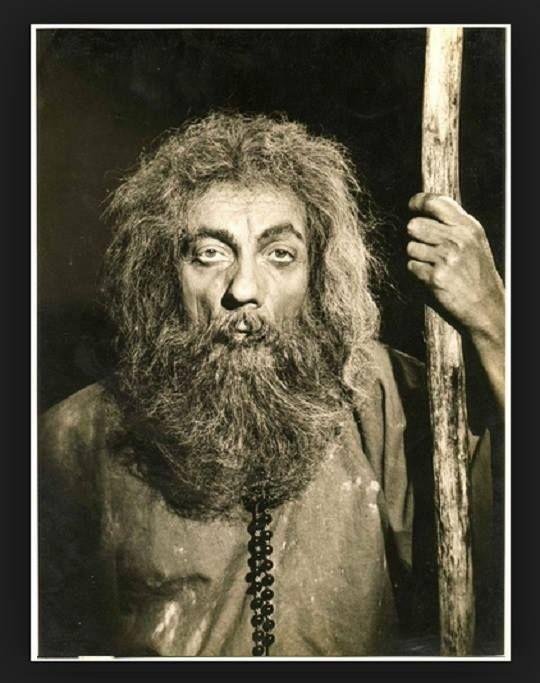
People filed under this revolution: Antônio Conselheiro (Antônio Vicente Mendes Maciel), Antônio Moreira César, Pajeú (jagunço captain of Canudos), João Abade, Artur Oscar de Andrade Guimarães, Antônio Beatinho (inner religious-civil companion of Conselheiro), Sertanejo people of Belo Monte (1896–97).
Historical Significance and Legacy
1896–97 is the Canudos War, a First Republic urbanicide in the Bahia sertão. Conselheiro's city outfought three expeditions and died under a fourth. Moreira César's corpse educated Rio into annihilation. Euclides would write; the rubble was already the fact.
1. A sertão city that defeated three republican columns.
2. Named captains besides a preacher.
3. Forced a national four-expedition war.
4. A massive documentary and literary afterlife.
5. Exposed First Republic fear of the poor interior.
6. 5 October as a dated destruction.
Historical Limitations City destroyed. Conselheiro dead. Thousands killed. Archive of the army and of coastal panic. Literary masterpiece can replace the dead. Women and children in the siege under-named. Not a monarchist army in the Rio sense.
Chronology and Conclusion
Year / Date Historical Development First clashes Mar 1897 Moreira César killed Year / Date Historical Development Sep 1897 Conselheiro dies 5 Oct 1897 City destroyed Conclusion The Canudos War of 1896–97 was the republic's destruction of Antônio Conselheiro's sertão city after four expeditions.
Moreira César died in the third. Artur Oscar finished the fourth. 5 October left no streets to occupy, only a lesson the poor already knew.