Historical Overview
Country: Empire of Brazil (Maranhão province)
Main Location: Caxias, Maranhão, Brazil (inland town that became the war's military hinge under Luís Alves de Lima e Silva's suppression)
Beginning Date: 1838 (sertão and cow-country rising of balaios; quilombola and poor-free coalition around Cosme and the Balaio name)
End of Revolutionary Uprising: 1841 (principal bands broken; Cosme captured and killed; Caxias as the imperial school of a future duke)
Broader Revolutionary Period: 1838–1841
Movement Type: Popular Sertão Rising; Anti-Elite and Quilombola War
Principal Organization: Balaio irregulars under Manuel Francisco dos Anjos Ferreira ('Balaio') and allied bands of Raimundo Gomes; Cosme Bento das Chagas's Black army of quilombo and plantation fugitives
Opposing Power: Provincial conservative elite of Maranhão; imperial troops under Luís Alves de Lima e Silva operating from Caxias
Major Participants: Poor vaqueiros and artisans, quilombola fighters, enslaved runaways, Portuguese-baiting crowds, imperial infantry learning Maranhão roads.
Years used on the map: 1838–1841.
Mapped place: Caxias, Maranhão, Brazil.
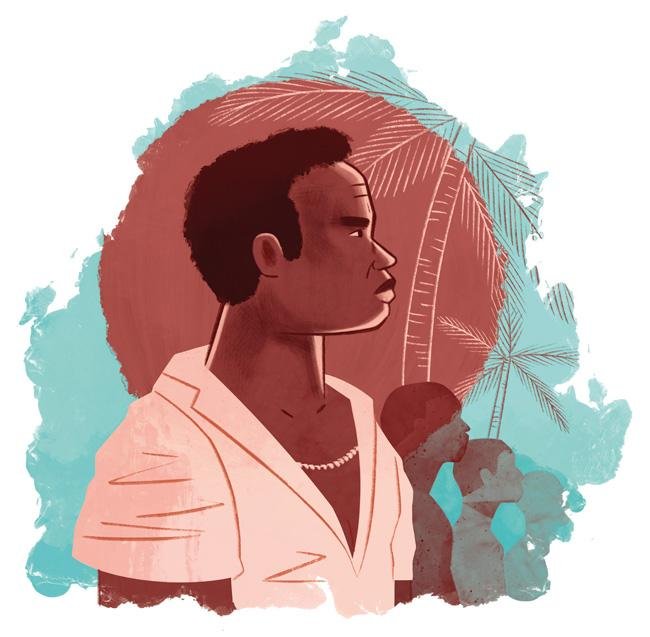
The Balaiada of 1838–41 was Maranhão's sertão revolution: a basket-maker's nickname become a war, a Black captain named Cosme with a quilombo army, and a suppression run from Caxias by Lima e Silva, who would later be Duke of Caxias on the strength of such provincial hunts.
It is not the Cabanagem's estuary and not the Sabinada's Salvador lodges. It is cattle paths, quilombos, and an inland town used as a vice-regal camp. Balaio names the poor-free anger; Cosme names the Black military fact the elite feared more.
1. Balaio as a social nickname become army.
2. Cosme as quilombola sovereignty.
3. Caxias as the suppression school.
Historical Background and Causes
Maranhão's cotton and cattle world bound Black labour and despised poor whites who failed the Portuguese mercantile test. Regency faction (bem-te-vis versus cabanos in local speech) armed tempers. A basket, a jail, an insult: 1838's popular fuse. Cosme's thousands made it a war of colour as well as of sertão.
A. Elite contempt for the poor-free
B. Quilombo strength
Cosme's people as a state.
C. Regency party fights
Local factions arming crowds.
D. Slavery
A plantation hinterland that could empty.
E. Thin provincial army
Until Caxias received a professional hunter.
Formation and Organisation
Irregular balaios, Gomes's cattle-militia habits, Cosme's more disciplined Black force, occupation of towns, then Lima e Silva's slow reduction from Caxias with amnesty-and-rope. 1840–41 isolated Cosme. His death was designed as the close.
Major Organizations Organization Historical Role Balaio bands Poor-free irregulars Cosme's Black army Quilombola core Raimundo Gomes Cattle-country captain Lima e Silva at Caxias Imperial closer
Beginning of the Revolution
Date: 1838 (sertão and cow-country rising of balaios; quilombola and poor-free coalition around Cosme and the Balaio name) 1838: sertão bands, jails opened, Portuguese hunted as a type. Cosme's force grows. Caxias becomes the imperial hinge-town. 1841: Cosme dead. The beginning is a social insult become cavalry of the poor. The end is a future duke's provincial diploma.
Major Developments • 1838 rising. • Cosme's army. • Caxias campaign. • 1841 close.
A Basket, a Quilombo General, a Town That Named a Duke
Later Brazilian patriotism made Caxias a title. Maranhão remembers a war of the despised. Cosme's execution is the racial centre of 1841. Balaio's nickname should not folklorise a killing-year. This atlas keeps 1838–41 as a popular-Black coalition broken from an inland camp, not a comic basket-riot.
A. 1838
B. Cosme
C. 1841
Major Events and Developments
Date Event Historical Importance Balaiada opens Opening 1839-40 Cosme's force at peak Military depth Cosme killed; bands broken End
Key figures
People filed under this revolution: Manuel Francisco dos Anjos Ferreira ('Balaio'), Cosme Bento das Chagas, Raimundo Gomes Vieira, Luís Alves de Lima e Silva (later Duke of Caxias), Balaios and quilombola fighters of Maranhão (1838–41).
Historical Significance and Legacy
1838–41 is Maranhão's Balaiada, a sertão-quilombo war broken from Caxias. Balaio is the nickname; Cosme is the Black army; Lima e Silva is the imperial harvest of a title. It is not Pará's Cabanagem and not Bahia's Sabinada.
1. A named popular-quilombola coalition.
2. Cosme's documented Black command.
3. Forced a major imperial inland campaign.
4. Caxias as a dated suppression school.
5. A provincial archive of fear.
6. Showed Regency Brazil losing interior provinces in parallel.
Historical Limitations Cosme executed. Bands broken 1841. Elite archive. Nickname-folklore crowding the Black war.
Slavery restored in practice. Lima e Silva's later fame sanitises 1841. Not a lasting Maranhão republic.
Chronology and Conclusion
Year / Date Historical Development Opening 1839-40 Cosme's peak Suppression Conclusion The Balaiada of 1838–41 was Maranhão's poor-free and quilombola war, named for Balaio and armed by Cosme, closed from Caxias by Lima e Silva.
A basket had become a rising. A Black general had become an example. The town kept the empire's future ducal name.