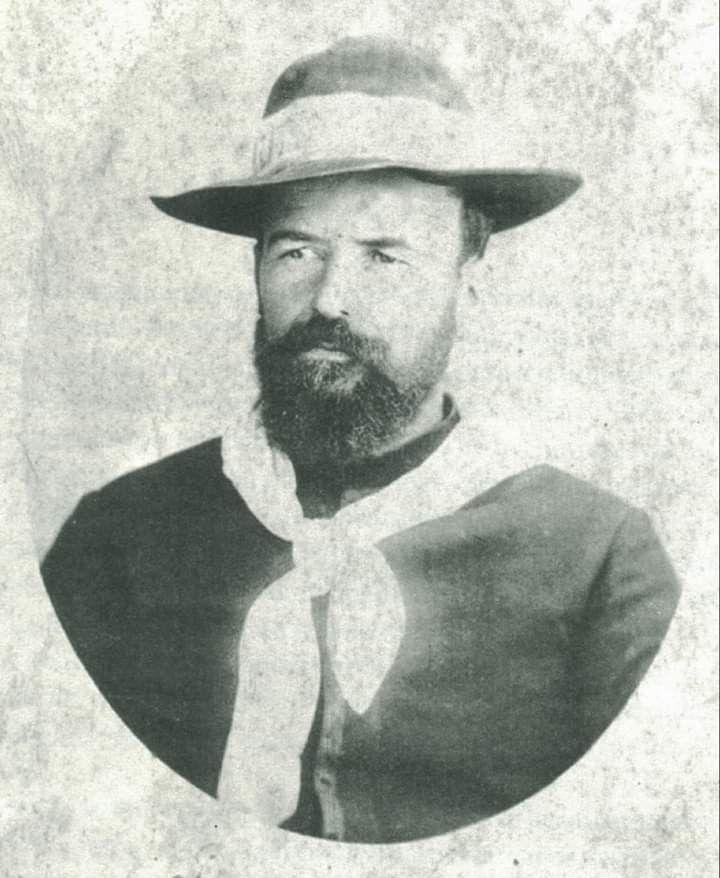
Historical Overview
Country: Brazil (First Republic) / Rio Grande do Sul
Main Location: Pelotas, Rio Grande do Sul, Brazil (federalist south; war also in Santa Catarina and Paraná as the invasion north)
Beginning Date: 1893 (federalist rising against Júlio de Castilhos's positivist PRR state in Rio Grande do Sul, in the national naval-revolt weather)
End of Revolutionary Uprising: 1895 (defeat of the federalists; Castilhos order restored; Saraiva dead 1894)
Broader Revolutionary Period: 1893–1895
Movement Type: Regional Federalist Civil War; Anti-Castilhista Rising
Principal Organization: Rio-Grandense federalists (Silveira Martins's political direction; Gumercindo Saraiva's pampas army); allied with the 1893–94 naval revolt against Floriano at a distance
Opposing Power: Júlio de Castilhos's PRR government in Porto Alegre; Floriano Peixoto's federal republic
Major Participants: Gaúcho federalist riders, Castilhista republican militias, Brazilian federal forces, Santa Catarina's briefly related 'Juliana' republic as a neighbouring fire, pampas civilians.
Years used on the map: 1893–1895.
Mapped place: Pelotas, Rio Grande do Sul, Brazil.
The Brazilian Federalist Revolution of 1893–95 was Rio Grande do Sul's civil war against Castilhos's centralising positivist republic, a pampas federalist rising that invaded north, met Floriano's Brazil, and died with Gumercindo Saraiva in 1894 and a 1895 settlement of defeat.
It is not 1899 Acre and not 1922 Paraguay. It is the First Republic's southern blood, contemporary with the naval revolt in the bay of Rio. Degolas (beheadings) made 1893–95 infamous as a style of killing.
Pelotas stands for the federalist social world of the south. Castilhos kept the state. The pampas kept a wound.
1. A state war inside a new republic.
2. Saraiva's invasion north.
3. 1895 as Castilhista peace.
Historical Background and Causes
Rio Grande's nineteenth-century federalist-liberal tradition (including the earlier Farroupilha memory), Castilhos's 1891 authoritarian constitution of the state, and Floriano's iron national republic: 1893 combined them. Silveira Martins, the old liberal, was the civilian name; Saraiva the horse.
A. Castilhista Constitution
A positivist state as a cage.
B. Gaúcho Federalism
A pampas political culture.
C. Floriano's Republic
No mercy for regional revolts.
D. Naval Revolt Weather
A Brazil already in arms at sea.
E. Borderland Armies
Men who could ride to Paraná.
Formation and Organisation
Pampas columns, political clubs of the federalists, a failed junction with a national alternative to Floriano, then attrition. 1894 Saraiva's death removed the only general who made the map move. 1895's end is a restored PRR.
Major Organizations Organization Historical Role Federalist gaúchos / Saraiva Rebel army Silveira Martins Political direction Castilhos PRR State enemy Floriano's Brazil Federal suppressor
Beginning of the Revolution
Date: 1893 (federalist rising against Júlio de Castilhos's positivist PRR state in Rio Grande do Sul, in the national naval-revolt weather) 1893: pronunciamiento in the south, civil war of the campanha. 1894: invasion of Santa Catarina-Paraná. Saraiva dead. 1895: leftover bands end. The beginning is a state split; the end is a positivist rest.
Major Developments • 1893 rising. • Northward invasion. • 1894 Saraiva dies. • 1895 defeat.
Degola, a Dead Saraiva, a Positivist State
Both sides killed with a frontier cruelty that stained the First Republic's southern story. Castilhos's survival shaped Rio Grande's later politics (including Vargas's formation world). The Federalist Revolution is a regional war with national weather, not a secession that created a country. 1893–95 belongs on an atlas of revolutions because a state's constitution was fought in the field.
A. 1893
B. 1894
Invasion and Saraiva's death.
C. 1895
Major Events and Developments
Date Event Historical Importance Federalist rising Opening Saraiva dies; northern campaign breaks Turn Federalist defeat End
Key figures
People filed under this revolution: Gumercindo Saraiva, Gaspar Silveira Martins, Júlio de Castilhos, Floriano Peixoto, Federalist and Castilhista degola captains of 1893–95, Gaúcho riders of the federalist columns (1893–95).
Historical Significance and Legacy
1893–95 is Rio Grande do Sul's federalist civil war, a First Republic blood-year that decided a positivist state and trained later Brazilian regional politics. Degola remains the moral scar. Acre and the Thousand Days are neighbouring South American wars of the 1890s; this one is a Brazilian state's interior. Castilhos's victory echoes into the twentieth century.
1. A full regional army and a northern invasion.
2. A named liberal-federal program.
3. Forced Floriano's attention.
4. A dense gaúcho memoir literature.
5. Showed First Republic fragility.
6. Saraiva as a lasting military legend of the pampas.
Historical Limitations Defeated 1895. Saraiva dead 1894. Degola. Not a national seizure of Rio. Castilhos entrenched. Naval revolt connection incomplete. Civilian deaths of a frontier war. Easy to skip in national textbooks focused on Rio.
Chronology and Conclusion
Year / Date Historical Development Rising Saraiva dies Year / Date Historical Development Defeat Conclusion The Brazilian Federalist Revolution of 1893–95 was Rio Grande's pampas war against Castilhos, ridden north by Saraiva and closed in defeat in 1895.
Floriano's republic stood. The PRR kept the state. The campanha had still named a revolution in beheadings and in a liberal flag.