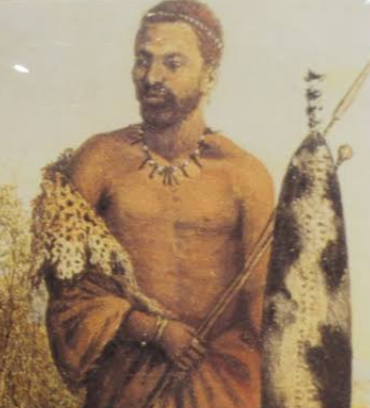
Movement Overview
Movement title: Xhosa Frontier Resistance (1779–1879)
Common names: Cape Frontier Wars; Xhosa Wars; Eastern Cape Wars of Dispossession; Frontier Wars.
Period: c. 1779–1879, covering a series of conflicts commonly grouped into nine frontier wars; some sources date the final war as 1877–1878.
Country and region: South Africa; eastern frontier of the Cape Colony, especially present-day Eastern Cape and territories east of the Fish River toward the Keiskamma and Kei rivers.
Movement type: Indigenous political and military resistance to colonial expansion; defence of land, cattle, chiefly authority and community autonomy.
Core aims: Varying by chiefdom and period, including resisting settler encroachment, defending land and cattle, opposing expulsions and challenging colonial claims over territory and governance.
Principal figures across different phases: Ndlambe, Ngqika (Gaika), Maqoma, Tyali, Hintsa, Sandile and others; no single leader directed the full century of conflict.
Historical qualification: The wars had changing alliances, causes and outcomes. Colonial expansion and land dispossession were central patterns, but local disputes, cattle raids, political divisions, drought and broken or contested agreements also shaped particular conflicts.
Historical Background
The eastern frontier of the Cape Colony shifted repeatedly during the late eighteenth and nineteenth centuries. Xhosa communities had long used land for farming, grazing and cattle keeping. Dutch-speaking frontier farmers and later British settlers sought additional land and grazing, while colonial authorities attempted to impose boundaries and administrative control. Competition over cattle, water, pasture and territory, together with accusations of stock theft and disputes over agreements, repeatedly escalated into armed conflict.
The First Frontier War began around 1779, when clashes between Xhosa groups and frontier Boers took place in the Zuurveld and surrounding areas. The wars were intermittent rather than continuous. Colonial forces periodically attempted to expel Xhosa communities from contested areas, establish a firmer frontier and secure land for settlers. Xhosa leaders resisted these measures in different ways, sometimes forming alliances and sometimes pursuing separate political strategies.
British control of the Cape after 1806 brought additional military campaigns. In 1811–1812, colonial forces under John Graham expelled many Xhosa from the Zuurveld. Later conflicts, including the wars of 1818–1819, 1834–1835, 1846–1847 and 1850–1853, were shaped by land disputes, colonial intervention in chiefly politics, settlement expansion and escalating violence. Leaders such as Ndlambe, Ngqika, Maqoma, Tyali and Sandile played important roles in particular phases.
The 1834–1835 conflict involved a major incursion into the colony by Western Xhosa forces, followed by a colonial campaign and territorial changes. The 1846–1847 War of the Axe followed an incident involving the arrest of a Xhosa man accused of stealing an axe, against a broader background of frontier tensions. The 1850–1853 conflict, often associated with Mlanjeni’s War, included resistance by Xhosa groups and some Khoikhoi fighters. These episodes should be treated as distinct conflicts with overlapping causes, not as a single unified campaign.
The cattle-killing movement of 1856–1857 was a related but distinct historical crisis and should not simply be counted as a conventional Frontier War. Prophetic expectations associated with Nongqawuse, cattle disease, social pressures and colonial circumstances contributed to the event; the resulting famine and hardship weakened Xhosa communities and increased colonial leverage. Its relationship to the wider history of frontier resistance needs careful explanation.
The Ninth Frontier War, usually dated 1877–1878, involved renewed fighting between colonial forces and Xhosa communities, including the Gcaleka and other groups. Colonial victory and the annexation or subordination of remaining independent Xhosa territories marked a major turning point. The broad 1779–1879 date range captures the century-long pattern of conflict and colonial expansion, although the final military campaign is often dated as ending in 1878.
Across the century, consequences included loss of land, disruption of cattle-based livelihoods, displacement, destruction of homes and crops, and increasing incorporation of Xhosa people into colonial political and labour systems. The history also includes diplomacy, trade, shifting alliances and periods of coexistence, not only warfare.
Major Institutions, Authorities and Milestones
Colonial authorities: Dutch East India Company (VOC), Batavian administration and British Cape colonial government across different periods.
Colonial forces: Frontier commandos, Cape colonial forces and British troops; exact units should be linked to individual campaigns only when confirmed.
Xhosa political structures: Rharhabe and Gcaleka polities and their constituent chiefdoms; leadership and alliances changed across the period.
Key locations: Zuurveld; Fish River; Keiskamma River; Tyume Valley; Amatola Mountains; Kat River region; Kei River; eastern Cape frontier.
Core issues: Land and grazing access, cattle, frontier boundaries, colonial jurisdiction, labour and the political autonomy of Xhosa chiefdoms.
Chronological caution: The nine-war scheme is a common historical framework, but numbering and end dates vary between sources.
Evidence status: Broad sequence and major figures are documented; specific dates, names, locations and casualty estimates should be checked against specialist histories and primary records.
Educational Priorities and Activities
1779–1781: First Frontier War, involving clashes between frontier Boers and Xhosa groups in and around the Zuurveld.
1789–1793: Second Frontier War in commonly used chronologies; conflict continues over land, cattle and colonial boundaries.
1799–1803: Third Frontier War and related upheavals involve Xhosa and Khoikhoi groups as well as colonial forces; local alliances and objectives vary.
1811–1812: Fourth Frontier War; colonial forces under John Graham move to expel Xhosa communities from the Zuurveld.
1818–1819: Fifth Frontier War, shaped by conflict among Xhosa leaders and colonial intervention; the frontier is pushed toward the Kei River region.
1834–1835: Sixth Frontier War; large Western Xhosa forces enter the colony, followed by a colonial campaign and territorial changes.
1846–1847: Seventh Frontier War, often called the War of the Axe, begins amid a wider pattern of frontier tension.
1850–1853: Eighth Frontier War, also associated with Mlanjeni’s War, includes Xhosa and Khoikhoi resistance and extensive colonial military operations.
1856–1857: The Xhosa cattle-killing crisis occurs in a related but distinct context; famine and social disruption have major consequences.
1877–1878: Ninth Frontier War; colonial victory weakens the remaining independence of Xhosa polities. Some broad chronologies use 1779–1879 to describe the century-long era.
After 1878: Annexation, colonial administration and changing labour and land systems reshape the region; the legacy remains central to histories of dispossession and resistance.