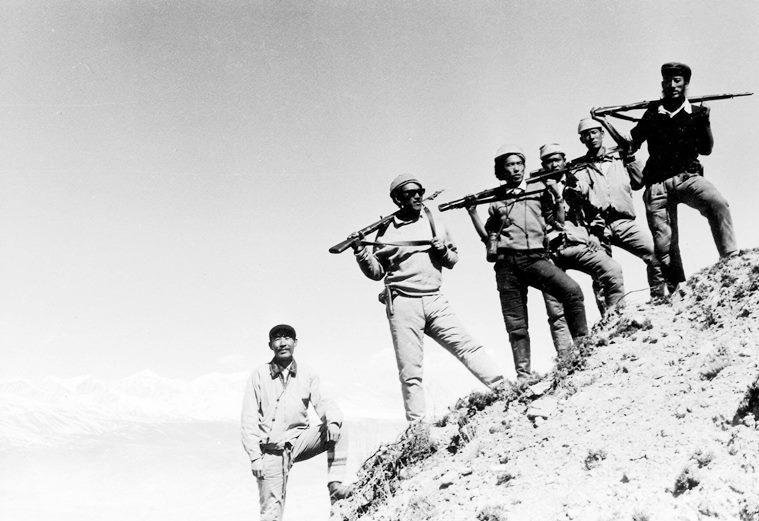
Historical Overview
Country: Tibet under the 1951 Seventeen-Point Agreement with the People's Republic of China
Main Location: Lhasa, Tibet (Norbulingka-Potala urban rising of March 1959; exile path toward India)
Beginning Date: 10 March 1959 (Lhasa crowds surround the Norbulingka amid rumours of a threat to the Fourteenth Dalai Lama)
End of Revolutionary Uprising: March 1959 in Lhasa (PLA suppression of the capital rising; the Dalai Lama's flight, reaching India in late March-April)
Broader Revolutionary Period: March 1959
Movement Type: Capital Uprising and Exile of a Theocratic Government; End of the 1951 Agreement Order
Principal Organization: Lhasa populace, Khampa Chushi Gangdruk context, Ganden Phodrang officials around the Dalai Lama
Opposing Power: People's Liberation Army and PRC civil-military authority in Tibet
Major Participants: Lhasa crowds of March, Tibetan army remnants, PLA units, the Dalai Lama's escape party, Indian reception of the exile government.
Years used on the map: 1959.
Mapped place: Lhasa, Tibet.
The Tibetan uprising of March 1959 was Lhasa's break with the Seventeen-Point Agreement order: crowds at the Norbulingka on 10 March, fighting in the capital, PLA suppression, and the Fourteenth Dalai Lama's flight into Indian exile.
Historical overview of a public political crisis, not a guerrilla manual. 1951's Seventeen-Point is the legal-political prelude. Khampa resistance of the 1950s is context, not a how-to. The sheet is Lhasa-March and exile.
1. Seventeen-Point 1951 as the broken frame.
2. 10 March 1959 Norbulingka.
3. Dalai Lama's exile as the political end of that Lhasa order.
Historical Background and Causes
The 1951 agreement left the Dalai Lama's government in form while PLA and reform politics entered.
Kham's 1950s upheavals sent refugees and rumours to Lhasa. A theatrical invitation to the Dalai Lama to attend a PLA function without escorts became, in Tibetan public belief, a kidnapping risk. 10 March was a crowd's answer.
A. Seventeen-Point Strain
Two sovereignties in one city.
B. Kham Refugee Politics
1950s war in the east as Lhasa's fear.
C. 10 March Rumour
A crowd protecting a person.
D. PLA Urban Power
A new army in the old capital.
E. International Gaze
A crisis that would become an exile government.
Formation and Organisation
Popular protection of the Norbulingka, breakdown of 1951 joint order, street fighting as a public fact of mid-March, PLA restoration of control, a disguised escape south, Indian asylum. No operational itinerary is given beyond the public exile result.
Major Organizations Organization Historical Role Lhasa crowds 10 March Urban rising Ganden Phodrang Tibetan government in crisis PLA Military opponent India 1959 Exile destination
Beginning of the Revolution
Date: 10 March 1959 (Lhasa crowds surround the Norbulingka amid rumours of a threat to the Fourteenth Dalai Lama) 10 March: Norbulingka surrounded by protective crowds. Mid-March: fighting in Lhasa. 17 March (standard exile chronology): Dalai Lama leaves the city. End of March-April: arrival in India. Lhasa's 1951-order government is over.
Major Developments • 10 March crowds. • Mid-March Lhasa fighting. • Flight from the capital.
An Agreement's Death in a Capital Crowd
PRC narratives stress rebellion and reform. Tibetan exile narratives stress a national uprising and a threatened Dalai Lama. This sheet records both as public histories and keeps to dated political facts: 1951 text, 10 March, exile. It does not provide operational advice for mountain war. Chushi Gangdruk's earlier eastern fighting is background, not a lesson plan.
A. 1951
B. 10-20 March 1959
C. Exile
A government on the road to India.
Major Events and Developments
Date Event Historical Importance Seventeen-Point Agreement Prelude 10 Mar 1959 Norbulingka crowds Opening Mar-Apr 1959 Exile in India Political end of Lhasa order
Key figures
People filed under this revolution: Fourteenth Dalai Lama (Tenzin Gyatso), Ngapoi Ngawang Jigme, PLA command in Lhasa (March 1959), Chushi Gangdruk (Khampa resistance context), Tenth Panchen Lama (Choekyi Gyaltsen), Indian reception of March-April 1959 (Nehru government).
Historical Significance and Legacy
March 1959 ended Lhasa's 1951-agreement government in fact and created the Tibetan exile polity in India. 10 March remains a commemorative date. Historical record, not a campaign handbook, is this atlas's use.
1. A dated urban uprising.
2. Exile government as a political fact.
3. Seventeen-Point's living end.
4. International public record of March 1959.
5. Kept Khampa 1950s as context only.
Historical Limitations Lhasa rising crushed. Casualties disputed between narratives. Exile without a return. Polarised historiography. No operational content by design.
Chronology and Conclusion
Year / Date Historical Development Seventeen-Point 10 Mar 1959 Norbulingka Mar-Apr 1959 Exile Conclusion The 1959 Tibetan uprising was Lhasa's March crisis under the broken Seventeen-Point order, ending in the Dalai Lama's Indian exile.
It is recorded here as public political history, not as a method of war.