Historical Overview
Country: Seminole Florida / United States (Spanish Florida until 1821, then U.S. Territory and State)
Main Location: Florida, USA (First War from Negro Fort 1816 / 1817–18; Second War 1835–42; Third 1855–58; Everglades as the last ground)
Beginning Date: 1816 (destruction of Negro Fort / Prospect Bluff; First Seminole War conventionally 1817–18 under Jackson)
End of Revolutionary Uprising: 1858 (end of the Third Seminole War; remaining Seminole in the Everglades unconquered as a people)
Broader Revolutionary Period: 1816–1858
Movement Type: Indigenous and Black-Seminole Resistance Wars; Anti-Removal Guerrilla
Principal Organization: Seminole bands and Black Seminole allies; Osceola, Micanopy, Abiaka (Sam Jones), Billy Bowlegs as named leaders across decades
Opposing Power: U.S. Army and militia; Jackson; later Jesup, Taylor, Harney; removal policy to Indian Territory
Major Participants: Seminole fighters, Black Seminole communities, U.S. regulars in a long expensive war, Spanish Florida as the First War's diplomatic stage, Everglades non-surrender bands.
Years used on the map: 1816–1858.
Mapped place: Florida, United States.
The Seminole Resistance Wars of 1816–58 are the United States' longest Indigenous wars of the era: from the 1816 destruction of Negro Fort and Jackson's First Seminole War, through Osceola's Second War (1835–42), to Billy Bowlegs's Third War (1855–58), with people still in the Florida swamps at the listed end.
Creek War refugees, escaped people in bondage, and a Florida geography of hammock and sawgrass made a resistance the U.S. could not finish as it finished Horseshoe Bend. Dade's battle (1835), Osceola's seizure under a flag of truce (1837), and a bill in blood and dollars are the Second War's core.
1858 is a cessation, not a parade of conquest.
1. 1816 Negro Fort as the listed start.
2. 1835–42 as the great war.
3. 1858 as an unfinished end.
Historical Background and Causes
Spanish Florida as a refuge, U.S. slaveholders' rage at Black Seminole towns, Jackson's 1818 invasion, 1823 Moultrie Creek, 1832 Payne's Landing, and Removal policy: the wars are one resistance to a moving legal noose. Osceola is the Second War's name, not the whole forty years.
A. Refuge Geography
B. Black Seminole Freedom
A community U.S. slavery would not tolerate.
C. Removal Treaties
Paper that bands would not obey.
D. Creek Refugee Memory
E. Everglades
Formation and Organisation
Decentralised bands, prophetic and civil leaders, Black Seminole captains, guerrilla of hammocks, U.S.
forts as a grid that never quite closed. Jesup's dirty seizure of Osceola is the American admission that field victory was not enough.
Major Organizations Organization Historical Role Seminole bands Resistance core Black Seminoles Allied free communities U.S. Army 1816-58 Invader Everglades remnants Unremoved people
Beginning of the Revolution
Date: 1816 (destruction of Negro Fort / Prospect Bluff; First Seminole War conventionally 1817–18 under Jackson) 1816: U.S. gunboat destruction of Negro Fort, a massacre of people in freedom. 1817–18: Jackson in Spanish Florida. The listed beginning is already a war on a refuge, before the 1835 Dade fight most textbooks start with.
Major Developments • 1816 Negro Fort. • 1817-18 First War. • 1835 Second War opens.
• 1837 Osceola seized. • 1855-58 Third War.
Osceola, Bowlegs, a People still in the Swamp
Second War deaths and dollars shocked Washington. Removal took many; it did not take all. Third War under Billy Bowlegs was a smaller, bitter close. 1858 on this list is the U.S. declaration of an end.
Seminole Florida's unremoved descendants are the historical limitation of that declaration. The Creek War's refugees had become a nation of the hammock.
A. 1816-21
Refuge war and annexation.
B. 1835-42
C. 1855-58
Major Events and Developments
Date Event Historical Importance Negro Fort destroyed Listed opening 1817-18 First Seminole War Jackson invasion 28 Dec 1835 Dade battle Second War opening shock Osceola seized Leadership blow Third War ends Listed close
Key figures
People filed under this revolution: Osceola (Billy Powell), Abiaka (Sam Jones), Billy Bowlegs (Holata Micco), Andrew Jackson (First Seminole War), Thomas Jesup, Negro Fort / Black Seminole communities (1816 and after), U.S. Army rank-and-file of the Florida wars (especially 1835–42).
Historical Significance and Legacy
1816–58 is Florida's long Indigenous and Black resistance, the U.S. Army's most frustrating nineteenth-century war, and an unfinished Removal. Everglades communities outlasted the listed end.
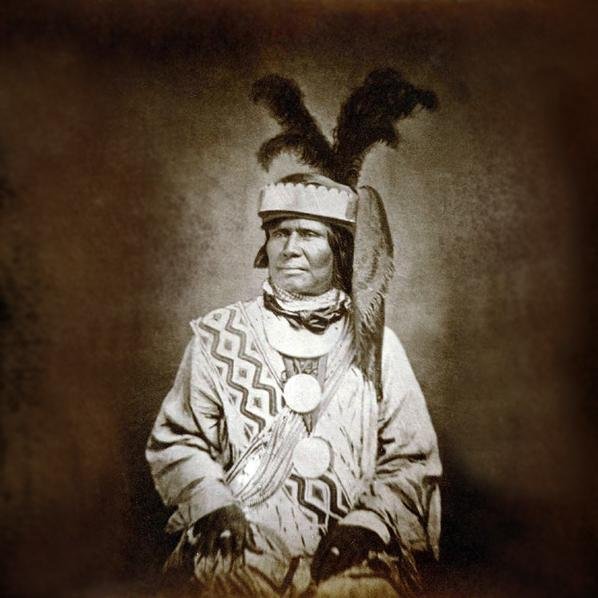
Osceola's portrait is famous; Negro Fort's dead are the true opening. Creek 1814 flows into this swamp.
1. Decades of successful guerrilla.
2. Black-Seminole alliance.
3. Osceola as an international name.
4. Forced enormous U.S. expenditure.
5. People remaining in Florida after 1858.
6. A three-war documented cycle.
7. Negro Fort as a freedom-fort in the record.
Historical Limitations Many removed west. Osceola seized by treachery. Negro Fort massacre. Third War still a Removal war. U.S. narrative of 'pacification' in 1858. Disease and hunger in the hammocks. Jackson's First War as illegal invasion of Spanish territory.
Chronology and Conclusion
Year / Date Historical Development Negro Fort 1817-18 First War Year / Date Historical Development 1835-42 Second War 1855-58 Third War Conclusion The Seminole Resistance Wars of 1816–58 ran from a destroyed freedom-fort to an Everglades the United States could not empty.
Osceola died in a cell. Bowlegs was sent west. Some people stayed in the water. 1858 was a U.S. date.
It was not a surrender of everyone.