Movement Overview
Movement title: Riyasti Akali Dal Movement (1939–1956)
Common names: Riyasti Akali Dal; Shiromani Malva Riyasti Akali Dal; Malva Riyasti Akali Dal.
Period: 1939–1956, from its formation by Akali workers in the princely states through the creation of PEPSU and its later merger with Punjab.
Region: Punjab princely states, particularly Patiala, Nabha, Jind, Faridkot and Malerkotla; key organizational sites included Saragur and other towns in the Malwa region.
Movement type: Sikh political organization; princely-state political representation; campaign for democratic rights and representative administration.
Core aims: Expand political participation and democratic rights for residents of princely states; press rulers to relax restrictive systems of administration; promote representative institutions and protect Sikh political interests in the states.
Historical qualification: The Riyasti Akali Dal and Punjab Riyasti Praja Mandal shared demands for democratic and representative government but were separate organizations with different constituencies and political approaches. The Dal later accepted the formation of PEPSU and its 1956 amalgamation with Punjab, while raising concerns about implementation of the Regional Formula.
Historical Background
Under princely rule, residents of Punjab’s states did not enjoy the same political institutions or civil liberties available in some directly administered British Indian territories. The growth of political awareness after provincial autonomy was introduced in British India in 1937 helped encourage organized demands for greater representation within princely states.
Akali activists from the princely states had earlier participated in the gurdwara reform struggles and in the Punjab Riyasti Praja Mandal, founded in 1928. By 1939, a separate political forum was established for Sikh communities in the princely states of Patiala, Nabha, Jind, Faridkot and Malerkotla. The founding meeting was held at Gurdwara Singh Sabha, Saragur, on 10 September 1939.
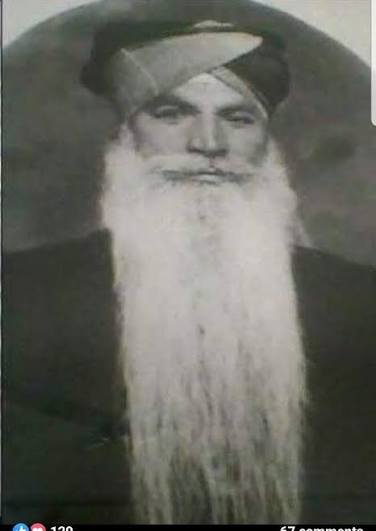
The founding meeting elected Jathedar Pritam Singh Gojran as president, Bhai Gurbakhsh Singh Thuhi as vice-president, Giani Kehar Singh of Chakk as general secretary, Bhai Harnam Singh Khalsa as secretary, and Bhai Jhanda Singh of Jawahar Ke, Mansa, as cashier. These names and offices are reported in The Sikh Encyclopedia’s entry on Riyasti Akali Dal.
After 1947, the Dal under Pritam Singh Gojran cooperated with the Riyasti Praja Mandal to press princely rulers for administrative reform. It was dissatisfied with some concessions announced by the Patiala ruler and opposed the proruler character attributed to the Lok Sevak Sabha. The Dal welcomed PEPSU’s formation in 1948, in contrast to the Praja Mandal’s preference for merging the princely states into Punjab.
The movement became redundant after the princely states were abolished and PEPSU was merged with Punjab in 1956. Most of its cadre returned to the Shiromani Akali Dal. These developments mark the end of the Riyasti Akali Dal as a distinct political forum.
Educational Priorities and Activities
• Formation of the Shiromani Malva Riyasti Akali Dal by about 500 Akali workers at Gurdwara Singh Sabha, Saragur, on 10 September 1939.
• Election of a founding working committee: Jathedar Pritam Singh Gojran (president), Bhai Gurbakhsh Singh Thuhi (vice-president), Giani Kehar Singh of Chakk (general secretary), Bhai Harnam Singh Khalsa (secretary) and Bhai Jhanda Singh of Jawahar Ke, Mansa (cashier).
• Advocacy for democratic rights and representative administration in the princely states of Patiala, Nabha, Jind, Faridkot and Malerkotla.
• Post-1947 cooperation with the Punjab Riyasti Praja Mandal to press princely rulers for administrative reform, while retaining organizational and political differences.
• Opposition to the adequacy of concessions announced by the Maharaja of Patiala in January 1948 and criticism of the proruler Lok Sevak Sabha, as reported in The Sikh Encyclopedia.
• The Dal welcomed the creation of the Patiala and East Punjab States Union (PEPSU) in 1948, unlike the Praja Mandal’s preference for merging the princely states into Punjab.
• PEPSU became a transitional political unit for former princely states; the Dal’s later position included concern over the implementation of the Regional Formula.
• PEPSU was merged with Punjab in 1956. With princely states abolished, the Riyasti Akali Dal ceased to exist as a separate organization and many members returned to the Shiromani Akali Dal.
• Research should distinguish the Dal’s own records from the related but separate Punjab Riyasti Praja Mandal and the broader All India States Peoples’ Conference.