Historical Overview
Country: Qing Empire (Yunnan, China)
Main Location: Dali, Yunnan, China
Beginning Date: 1856 (Kunming massacre of Hui and Hui counter-risings; Du Wenxiu takes Dali)
End of Revolutionary Uprising: 26 December 1873 (Dali falls; Du Wenxiu dies)
Broader Revolutionary Period: 1856–1873
Movement Type: Hui Muslim State-Building Rebellion; Ethnic-Religious War
Principal Organization: Pingnan Guo (Pacified Southern State) under Du Wenxiu at Dali
Opposing Power: Qing; provincial armies of Cen Yuying; some Hui collaborators such as Ma Rulong
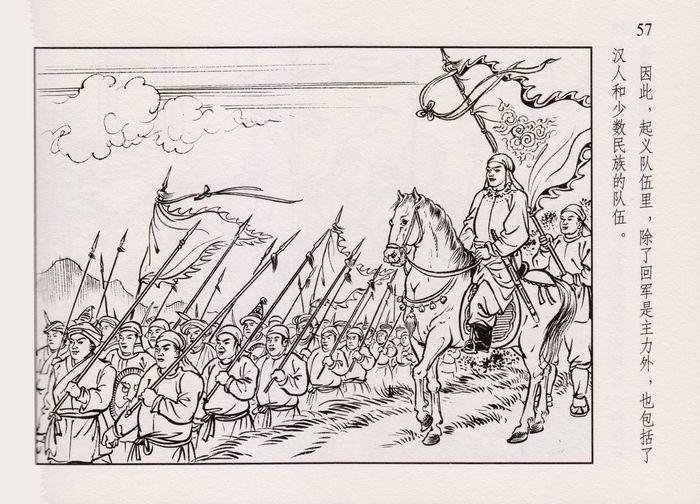
Major Participants: Yunnan Hui (Panthay) communities, Bai and other local groups, Han militias, Qing Hunan/Yunnan braves.
Years used on the map: 1856–1873.
Mapped place: Dali, Yunnan, China.
The Panthay Rebellion was a Hui Muslim war that created a sultanate-style Pingnan state at Dali from 1856 to 1873. Du Wenxiu, a Xi'an-educated Hui of Yunnan, took the title of Generalissimo (and is often called Sultan Suleiman in Western sources) and held the west of the province for seventeen years.
A Kunming massacre of Hui in 1856 started the explosion. Ma Rulong, another Hui leader, later submitted to the Qing and attacked his co-religionists. Cen Yuying reconquered the west. Dali fell in December 1873; Du took poison before surrender and was beheaded. Yunnan Hui communities were devastated.
1. A Hui state at Dali for seventeen years.
2. Du Wenxiu as Pingnan ruler.
3. Qing reconquest and communal catastrophe, 1873.
Historical Background and Causes
Yunnan's Hui were traders, miners and farmers in a tense multi-ethnic province. Mining disputes, Han militia racism and official bias exploded in 1856 when Kunming gentry organised a Hui massacre.
Survivors and western Hui made Dali a capital. Major Causes
A. 1856 Kunming Massacre
Hui hunted in the provincial capital.
B. Mine and Market Fights
Han–Hui economic violence.
C. Qing Weakness
Taiping war drained the centre.
D. Du Wenxiu's Programme
A Muslim-led multi-ethnic Yunnan.
E. Geographic Isolation
Dali's lake basin as a fortress.
Formation and Organisation
Pingnan issued coins, kept a court, and sought British Burma contacts. Du tried to include Han and Bai under Muslim leadership — more state than pure jihad. Ma Rulong's collaboration split Hui ranks, the same pattern as some Taiping-Hui wars in Shaanxi-Gansu.
Major Organizations Organization Historical Role Pingnan Guo / Dali court Hui state 1856–73 Du Wenxiu's armies Western Yunnan control Ma Rulong's Hui Qing-allied Hui force Cen Yuying Qing reconqueror Kunming gentry militias 1856 massacre organisers
Beginning of the Revolution
Date: 1856 (Kunming massacre of Hui and Hui counter-risings; Du Wenxiu takes Dali) After the 1856 massacre, Hui columns seized western cities. Du entered Dali and declared Pingnan. For years the Qing barely held Kunming. Geography, not theology alone, made a state possible.
Major Developments • Kunming massacre 1856. • Dali taken. • Pingnan administration.
• Ma Rulong's turn. • Dali 1873.
Collaboration, Siege of Dali and Communal Aftermath
Cen Yuying, a Guangxi-Yunnan strongman of the Taiping generation, used Ma Rulong and Hunan braves. Dali was starved and stormed in late 1873. Du's suicide-surrender did not save the city from slaughter. Hui population in Yunnan collapsed; some fled to Burma and Thailand (the Chin Haw).
A. 1856
Massacre and counter-state.
B. Pingnan years
A working capital at Dali.
C. Hui split
D. 1873
Major Events and Developments
Date Event Historical Importance Kunming Hui massacre War begins Du Wenxiu in Dali Pingnan founded 1860s Ma Rulong submits Hui ranks split 26 December 1873 Dali falls Rebellion ends
Key figures
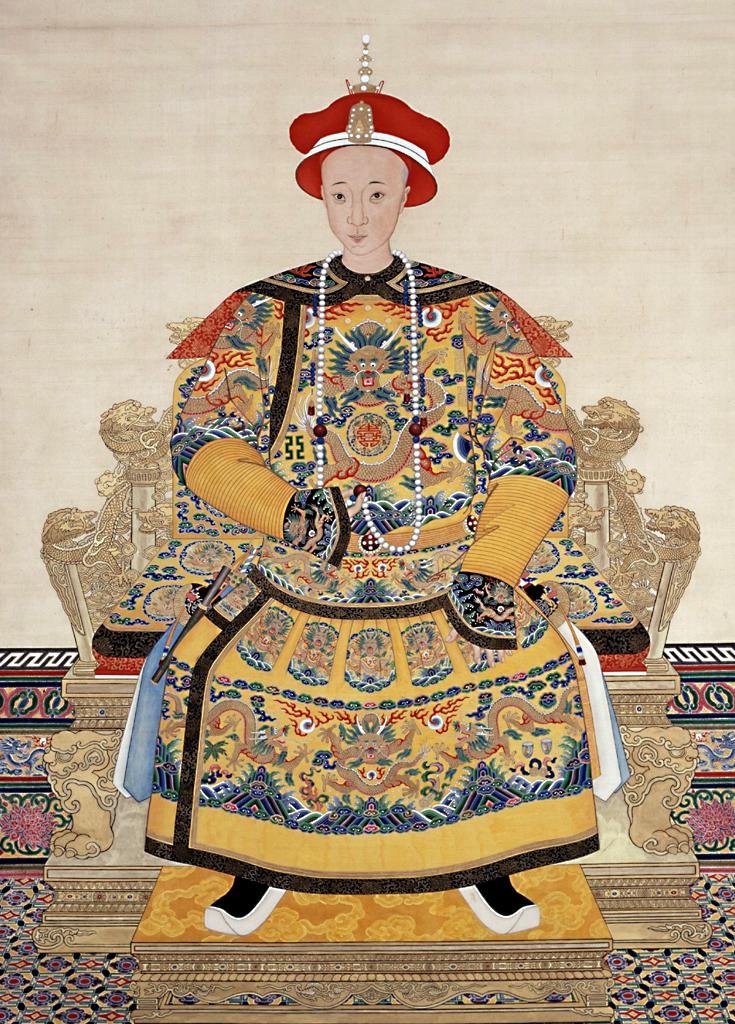
People filed under this revolution: Du Wenxiu, Ma Rulong, Ma Dexin (Ma Fuchu), Cen Yuying, Yang Zhenpeng, Emperor Tongzhi (Zaichun) / Empress Dowager Cixi's court.
Historical Significance and Legacy
The Panthay state is central to Yunnan Hui identity and to Southeast Asian Chin Haw diasporas. Qing victory did not end Hui presence but broke its political autonomy. Du Wenxiu is commemorated in Dali even under later PRC ethnic policy debates.
1. A seventeen-year Hui-led state.
2. Multi-ethnic rhetoric beyond pure jihad.
3. Coins, court and foreign feelers via Burma.
4. A documentary Hui political identity in Yunnan.
5. Survival of some communities in exile.
6. A named sultan-scholar in Chinese Muslim memory.
Historical Limitations Kunming never held. Hui collaboration with Qing. Fall of Dali and mass killings. No lasting autonomy.
Scholar Ma Dexin killed anyway.
Chronology and Conclusion
Year / Date Historical Development Kunming massacre; Dali taken 1860s Pingnan administration Ma Rulong's turn Hui split Year / Date Historical Development 26 December 1873 Dali falls Conclusion The Panthay Rebellion made Dali the capital of a Hui Yunnan for seventeen years. Cen Yuying and a split umma ended it in 1873.
The lake city remembers Du Wenxiu; the province remained Qing.