Historical Overview
Country: Kingdom of France
Main Location: Rouen, Normandy, France (also Avranches, lower Normandy salt country)
Beginning Date: 1639 (Norman rising against the gabelle and election of a Jean Nu-pieds)
End of Revolutionary Uprising: 1639 (Colbert du Terron's and later Gassion's repression; Rouen's parlement humiliated)
Broader Revolutionary Period: 1639
Movement Type: Anti-Gabelle Popular Rising; Provincial Fiscal Revolt
Principal Organization: Nu-pieds bands of lower Normandy; Rouen popular and parlementary entanglement
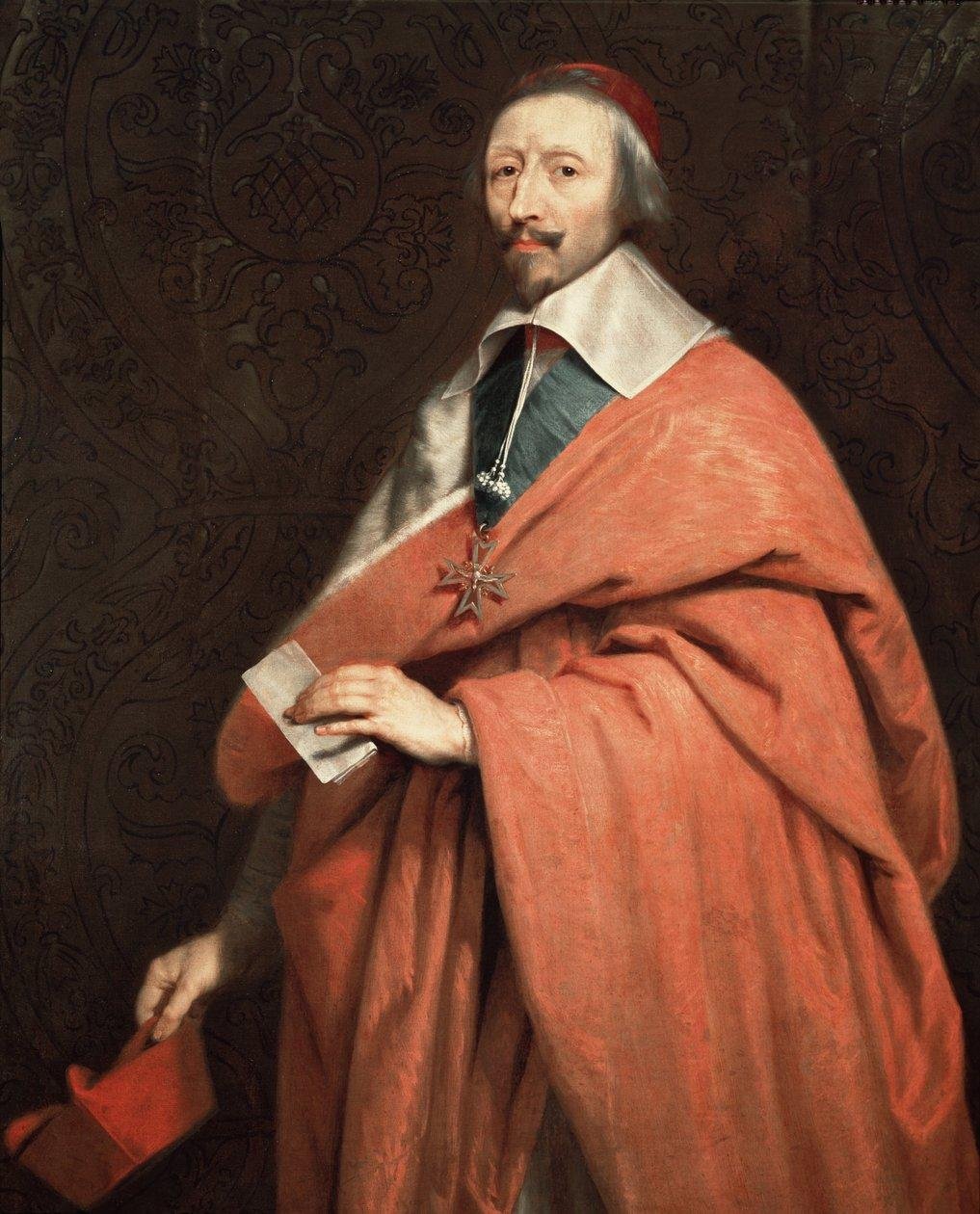
Opposing Power: Richelieu's fiscal state; royal commissioners in Normandy
Major Participants: Norman peasants and salt-workers, Rouen crowds, parlement of Rouen, royal troops of the 1639 repression.
Years used on the map: 1639.
Mapped place: Rouen, Normandy, France.
The Nu-pieds Revolt of 1639 was Normandy's barefoot war against the gabelle (salt tax) and the threat of élus, a one-year explosion that sacked royal officers, frightened Rouen, and was crushed with a severity Richelieu meant as theatre.
Jean Nu-pieds (a real captain and a type-name) led rural bands from the Avranches country. Rouen's parlement played a double game and was punished. 1639 is the Norman croquant, salt instead of taille.
1. Gabelle as the Norman fuse.
2. Barefoot as a political uniform.
3. Exemplary repression of Rouen.
Historical Background and Causes
Normandy's salt privileges were a provincial constitution. War finance wanted them gone. 1639's rumour of élus (royal tax officials) was enough. Bare feet named poverty as a party.
A. Gabelle / ÉlUs
B. War Finance
1635's bill in a province.
C. Norman Privilege
A constitution of exemptions.
D. Barefoot Bands
E. Rouen Ambiguity
A capital that might open.
Formation and Organisation
Rural nu-pieds, urban emotion, a parlement that would not be Richelieu's clerk. Gassion's later repression (and the 1640s memory of it) taught Rouen. The revolt as a field force died in 1639; the hatred of gabelle did not.
Major Organizations Organization Historical Role Nu-pieds bands Rural force Rouen crowd / parlement Urban hinge Royal commissioners Targets Gassion / royal troops Suppression
Beginning of the Revolution
Date: 1639 (Norman rising against the gabelle and election of a Jean Nu-pieds) 1639 Avranches-country rising named a Jean. Royal officers died. Rouen trembled. Columns answered before the year ended.
Major Developments • Rural rising. • Attacks on gabelle officers. • Rouen crisis.
A Parlement Punished, a Province Salted
Richelieu used 1639 to discipline Rouen's parlement as much as to hang peasants. The fiscal-military state's Norman lesson is this double target. Frondeurs of 1648–52 inherited a city that remembered
1639. Nu-pieds entered French as a type of rebel.
A. Salt
B. Jean Nu-pieds
C. Rouen
Major Events and Developments
Date Event Historical Importance Nu-pieds rising and suppression Entire listed war
Key figures
People filed under this revolution: Jean Nu-pieds (Poupinel / named rural captain of 1639), Cardinal Richelieu, Rouen parlementaires of 1639, Royal commanders of the 1639 Norman repression (Gassion in the associated memory, Norman salt-workers and peasants of the nu-pieds.
Historical Significance and Legacy
1639 is Normandy's gabelle war and a textbook Richelieu interior repression. Rouen's punished parlement is a Fronde prehistory. Nu-pieds stayed in the language. Salt remained taxed.
1. A named barefoot revolt.
2. Frightened a provincial capital.
3. Forced a famous repression.
4. Links croquant 1636 to Fronde memory.
5. Gabelle as a clear fuse.
Historical Limitations Crushed the same year. Tax continued. Parlement humiliated not converted to revolution. Jean partly type-name. One-year file.
Chronology and Conclusion
Year / Date Historical Development Rising and repression Conclusion The Nu-pieds Revolt of 1639 was Normandy's barefoot war on the gabelle, named for Jean Nu-pieds and punished in Rouen.
Richelieu restored salt and a silenced parlement. The feet had been a party. The tax remained a king.