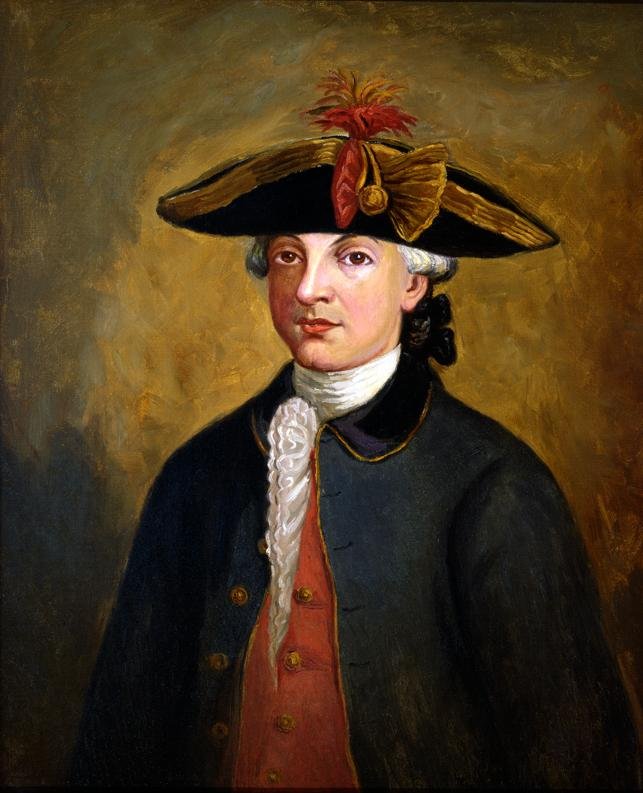
Historical Overview
Country: Spanish Louisiana (New Orleans)
Main Location: New Orleans, Louisiana (urban Mina network of 1791; not the 1795 upriver Pointe Coupée plantations)
Beginning Date: 1791 (Mina Africans in New Orleans concert a plot the Spanish cabildo treated as a city conspiracy)
End of Revolutionary Uprising: 1791 (denunciation, arrests, and exemplary punishment in New Orleans; the Mina nation watched by the Spanish night)
Broader Revolutionary Period: 1791
Movement Type: Urban African-Nation Conspiracy; Anti-Slavery Plot
Principal Organization: Mina (Elmina-Akan related) nation network in New Orleans — a linguistic-military brotherhood of the slave community, not a planter Jacobin club
Opposing Power: Spanish cabildo of New Orleans; Governor Esteban Miró's outgoing order and the 1791 transition toward Carondelet; urban slave patrols
Major Participants: Mina enslaved and some free people of colour of the city, Spanish judges, informers inside the African nations, a port already hearing Saint-Domingue news that Spanish clerks feared as weather.
Years used on the map: 1791.
Mapped place: New Orleans, Louisiana, United States.
The Mina Conspiracy of 1791 was New Orleans's urban African-nation plot: Mina people, a recognised 'nation' in the city's enslaved world, organised toward a rising that Spanish justice broke in the capital, a year before Pointe Coupée's 1795 plantation conspiracy and in a different social geography.
It is not 1795, not 1811's German Coast, and not Aponte's 1812 Havana. 1791 is a city file of Mina cohesion under Spanish Louisiana, in the same Atlantic year as Haiti's opening. Saint-Domingue news is weather, not a photocopy. The cabildo's fear named a nation it had already allowed as a burial and festive identity.
1. Urban Mina nation, not Pointe Coupée's 1795 river.
2. 1791 as a Spanish New Orleans year.
3. A plot broken by denunciation, not a weeks-long field war.
Historical Background and Causes
Spanish New Orleans organised Africans by 'nations' for control and for cabildo-like mutual aid. Mina identity could be a church-and-burial frame on Sunday and a military frame on a plotted night. 1791's Haitian opening made Spanish ears sharp. The city's conspiracy is that sharpness meeting a real Mina conversation.
A. Mina nation cohesion
A brotherhood the city had named.
B. Urban bondage
Households, docks, and night streets.
C. Saint-Domingue news
1791 as an Atlantic rumour of success.
D. Spanish police of nations
A cabildo that watched dances as politics.
E. Informers
A plot that reached judges before it reached a fort.
Formation and Organisation
Nation meetings, oaths, a plan the Spanish recorded as an urban rising, then arrests. Leaders in the expediente are Mina-identified. Punishment was local and exemplary. Upriver plantations were not the theatre; that would be 1795's different conspiracy under Carondelet.
Major Organizations Organization Historical Role Mina nation organisers Plot core New Orleans cabildo courts Suppression Informers Hinge Saint-Domingue news Atlantic weather
Beginning of the Revolution
Date: 1791 (Mina Africans in New Orleans concert a plot the Spanish cabildo treated as a city conspiracy) 1791: Mina conversations become, in Spanish paper, a conspiracy against the city. Denunciation. Jail.
Sentences. The beginning is a nation meeting. The end is a New Orleans punishment list, not a Pointe Coupée levee of heads.
Major Developments • Mina organising. • Denunciation. • Cabildo trials. • 1791 close in the city.
A City Nation, a Different River: 1791 Is Not 1795
Louisiana's revolutionary calendar is easily smashed into one 'slave plot.' This atlas separates Mina 1791 in New Orleans from Pointe Coupée 1795. Different places, different years, different social armies: an urban Akan-related nation versus an upriver plantation conspiracy under a later governor's panic. Haiti's 1791 is the shared Atlantic sound, not a single Louisiana script.
A. Mina nation
B. 1791 cabildo
C. Not 1795
Major Events and Developments
Date Event Historical Importance Mina plot in New Orleans Opening Denunciation and trials Peak Sentences in the city End
Key figures
People filed under this revolution: Mina nation captains of New Orleans (1791), Esteban Rodríguez Miró, governor of Spanish Louisiana into 1791, New Orleans cabildo judges and slave-police of 1791, Informers inside the African-nation world of New Orleans, Mina and urban enslaved community of New Orleans under watch after 1791.
Historical Significance and Legacy
1791 is New Orleans's Mina conspiracy, an urban African-nation plot in Spanish Louisiana, to be kept distinct from Pointe Coupée 1795. The cabildo file is the monument. Haiti is the year's sound. The Mina name is the organisation.
1. A dated urban nation conspiracy.
2. Separates city 1791 from river 1795.
3. Shows African 'nation' as political form.
4. A Spanish judicial archive.
5. Places New Orleans in 1791's Atlantic.
6. Names Mina, not a generic 'slave plot'.
Historical Limitations Broken before a field war. Names uneven in print. Easy to merge with 1795. Archive is Spanish-hostile. Informers as the hinge. Not 1811's German Coast army. Haiti can over-explain a local nation.
Chronology and Conclusion
Year / Date Historical Development Mina plot Trials City sentences Conclusion The Mina Conspiracy of 1791 was a New Orleans African-nation plot under Spanish eyes, broken in the city the same year.
It was not Pointe Coupée. It was not 1811. Mina organisation had been enough to frighten a cabildo.