Historical Overview
Country: New Spain / emerging Mexican Empire then Republic
Main Location: Dolores, Mexico (Grito, 16 September 1810; war nationwide; Iguala and Córdoba 1821 as the close)
Beginning Date: 16 September 1810 (Hidalgo's Grito de Dolores)
End of Revolutionary Uprising: 27 September 1821 (Army of the Three Guarantees enters Mexico City; independence consummated after Iguala and Córdoba)
Broader Revolutionary Period: 1810–1821
Movement Type: Anticolonial and Social-Popular Independence War; later a conservative consummation
Principal Organization: Hidalgo's 1810 popular army; Morelos's Congress of Anáhuac; later Guerrero's guerrilla; Iturbide's 1821 Iguala coalition
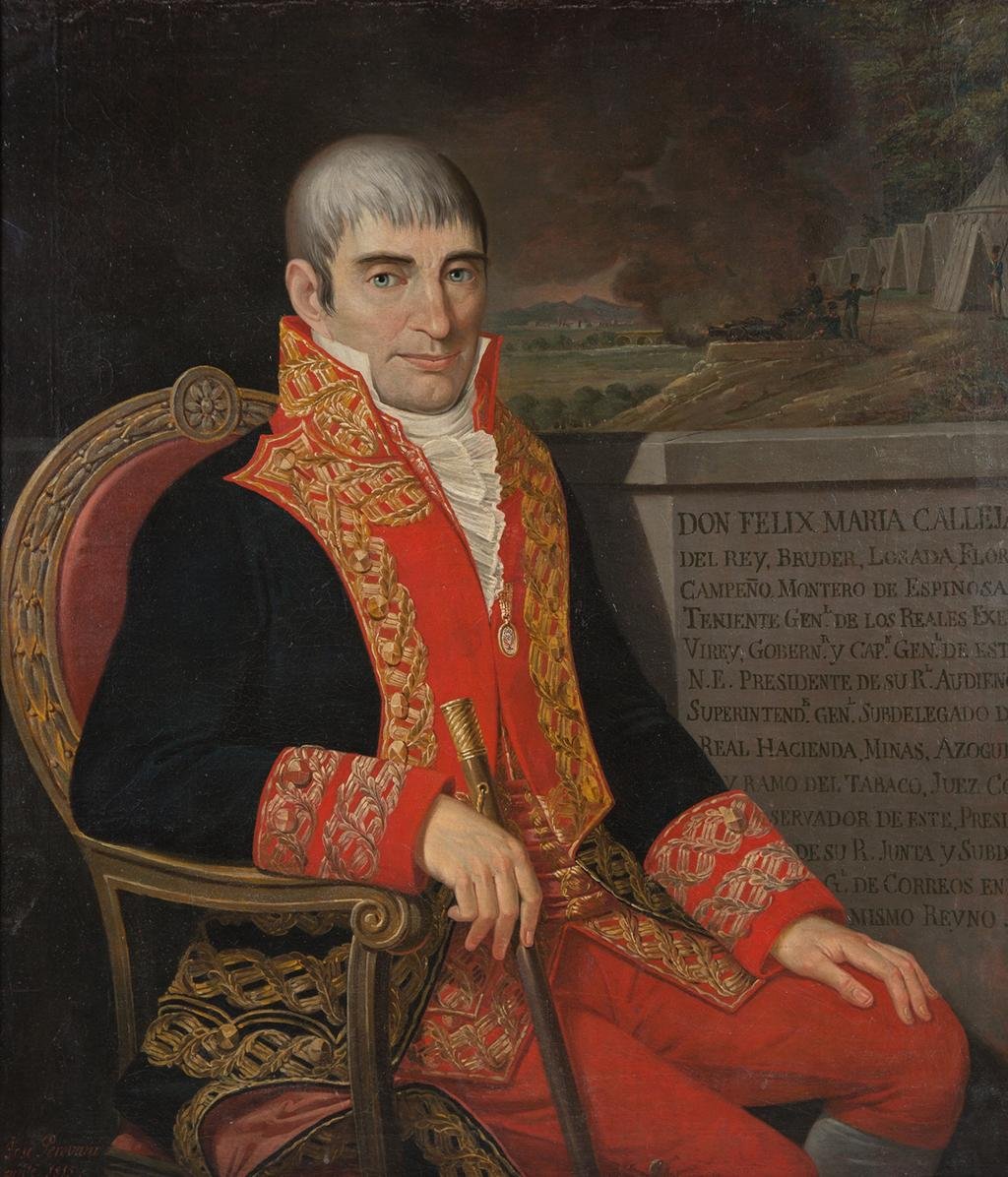
Opposing Power: Spanish viceregal army (Calleja); loyalist New Spain; Ferdinand VII's restored absolutism after 1814
Major Participants: Indigenous and mestizo popular armies of the Bajío, creole officers of both sides, Morelos's southern republic, Guerrero's hot-country, Iturbide's trigarante conservatives, viceregal Spain.
Years used on the map: 1810–1821.
Mapped place: Dolores, Mexico.
The Mexican War of Independence of 1810–21 opened with Miguel Hidalgo's Grito de Dolores as a popular Bajío explosion, passed through José María Morelos's insurgent republic and death, survived as Vicente Guerrero's guerrilla, and was consummated in 1821 by Agustín de Iturbide's bargain of Iguala — a conservative ending to a social beginning.
Túpac Amaru 1780 is an Andean cousin, not this war. 1810 is a parish Grito; 1813–15 is Chilpancingo's constitution-world; 1815 Morelos dies; 1821 the flag of three guarantees enters the capital Hidalgo never took as a priest-general. This atlas keeps the social war and the Iguala consummation as one listed period, because the list does, without pretending they were the same army.
1. 16 September 1810.
2. Morelos's republic.
3. 1821 Iguala-Mexico City.
Historical Background and Causes
Bourbon extraction, Bajío crisis, creole exclusion, Napoleon's Spain 1808, and a parish priest who named a rising: 1810 combined them. Hidalgo's army sacked as well as liberated. Calleja learned to kill a social war. Morelos tried to make a state. Iturbide stole a peace.
A. 1808 Spain
B. Bajío Social Crisis
C. Creole Ambition
A kingdom wanting a king of its own, later.
D. Parish Networks
E. Racial Order
A caste system that could explode.
Formation and Organisation
1810: a priest's horde. 1811: Hidalgo and Allende dead. 1811–15: Morelos's disciplined south and a congress. 1815–20: guerrilla remnant. 1821: royalist Iturbide turns with Guerrero. The organisation changes so completely that 1821's elite could deny 1810's dead. This entry refuses that denial.
Major Organizations Organization Historical Role Hidalgo 1810 Popular opening Morelos 1811-15 Insurgent republic Guerrero 1815-21 Guerrilla continuity Iturbide 1821 Consummating coalition
Beginning of the Revolution
Date: 16 September 1810 (Hidalgo's Grito de Dolores) 16 September 1810: Dolores, the Virgin of Guadalupe as a flag, Guanajuato's Alhóndiga as a social war's first great killing. The beginning is a mass. The 1821 end is a parade. Between them is a decade of counterinsurgency.
Major Developments • 16 Sep 1810. • Alhóndiga. • 1811 Hidalgo executed. • Morelos congress.
• 1815 Morelos dies. • 1821 Mexico City.
A Priest's Mass, a Chaplain's Republic, a General's Bargain
Calleja's counterinsurgency and the 1815 death of Morelos almost ended independence as a popular project. Riego's 1820 Spain radicalised royalists into Iguala. Guerrero's insistence on independence (and a place for the insurgent remnant) is 1821's hinge the trigarante myth underplays. 1810–21 is therefore a social revolution captured at the last minute by a conservative independence. Both are real.
Neither erases the other.
A. 1810-11
B. 1811-15
C. 1815-21
D. 1821
Major Events and Developments
Date Event Historical Importance 16 Sep 1810 Grito de Dolores Opening Hidalgo executed First leadership end 22 Dec 1815 Morelos executed Republic in arms beheaded 24 Feb 1821 Plan of Iguala Conservative-independent turn 27 Sep 1821 Mexico City entry Listed end
Key figures
People filed under this revolution: Miguel Hidalgo y Costilla, Ignacio Allende, José María Morelos, Vicente Guerrero, Agustín de Iturbide, Félix María Calleja, Josefa Ortiz de Domínguez.
Bajío popular armies of 1810 (Indigenous, mestizo, and mine-country fighters)
Birth Date: 1810–11. Birthplace: Guanajuato-Michoacán-Jalisco hinterland. Death Date: the first war (dead at Calderón, in sacks, in Calleja's recoveries).
Death Place: Bajío. Role: The social army of the Grito, the mass Iturbide's 1821 would not reconvene.
Short Description: Dolores is a village; the Alhóndiga is this people. Biography: They made 1810 a revolution of the poor, with the violence that frightened creoles into royalism or into Iguala's later caution. 1811 scattered them. Morelos recruited a different south. 1821's parade was not their victory-form. The war's opening people are this Bajío mass. An atlas of 1810–21 that only lists priests and emperors has already chosen 1821's story.
Classification: Popular insurgent mass of 1810. Verification Note: Royalist and insurgent accounts of 1810–11 describe mass Indigenous and mestizo participation in Hidalgo's army.
8. Historical Significance and Legacy 1810–21 is Mexico's independence, a social Grito captured by a conservative bargain, a decade whose 16 September is a priest and whose 27 September is a trigarante general. Morelos's constitution remains the radical text. Túpac Amaru is an Andean preface; Yaqui and Yucatán wars are Indigenous sequels inside the new state. 1821 made a country. 1810 had named a people.
1. A successful independence.
2. A popular opening of unmatched scale in New Spain.
3. Morelos's constitutional program.
4. Guerrero's continuity.
5. A national calendar of two Septembers.
6. Abolitionist and anti-caste decrees in the insurgent republic.
7. Iguala as a coalition that actually entered the capital.
8. A complete documentary arc from Grito to Córdoba.
Historical Limitations Hidalgo's undisciplined social war. First leaders executed 1811. Morelos dead 1815. 1821 conservative capture. Iturbide's empire. Caste and Indigenous questions unsolved (Yaqui, Yucatán sequels). Calleja's successful counterinsurgency of the middle years. Easy school-story of a single Grito.
Chronology and Conclusion
Year / Date Historical Development 16 Sep 1810 Dolores Hidalgo dies Morelos dies 24 Feb 1821 Iguala 27 Sep 1821 Mexico City Conclusion The Mexican War of Independence of 1810–21 began in a parish at Dolores as a popular war and ended in Mexico City as a three-guarantee army.
Hidalgo had named a people. Morelos had written a republic. Guerrero had kept a guerrilla. Iturbide had entered the capital. The decade is all of them, or it is a lie of 1821 alone.