Historical Overview
Country: British New Zealand (Waikato War)
Main Location: Ōrākau, New Zealand (south of the Waikato heartland; siege 31 March–2 April 1864)
Beginning Date: 31 March 1864 (British investment of the hastily built Ōrākau pā)
End of Revolutionary Uprising: 2 April 1864 (breakout through British lines; Rewi Maniapoto and remnants escape toward the King Country; pā taken)
Broader Revolutionary Period: 1864
Movement Type: Kingitanga Defensive Battle; Anti-Invasion Stand
Principal Organization: Rewi Manga Maniapoto's mixed garrison (Ngati Maniapoto, Ngati Raukawa, Waikato, Tuhoe and others) in a small pā built against Duncan Cameron's Waikato field force
Opposing Power: Lieutenant-General Duncan Cameron and the British-colonial army of the Waikato campaign (Brigadier George Carey at the immediate siege)
Major Participants: Maori men, women, and children inside Ōrākau; British regulars and colonial troops; Cameron's staff; later New Zealand memory of the reply 'ka whawhai tonu matou'.
Years used on the map: 1864.
Mapped place: Orakau, New Zealand.
The Maori Resistance at Orakau of 1864 was the Waikato War's most famous set-piece: a small, unfinished pā under Rewi Maniapoto, besieged from 31 March, refusing surrender with the words remembered as ka whawhai tonu matou (we will fight on forever), then breaking out on 2 April through a ring of British fire.
It is the peak battle of the Waikato invasion, not Parihaka's later unarmed struggle and not Te Kooti's 1868 guerrilla. Three days made a national sentence. Cameron wanted a finishing blow after Rangiriri and the fall of the Waikato basin. He got a legend of refusal instead of a tidy capitulation. This atlas keeps Ōrākau as a Kingitanga military fact, women inside the pā included.
1. Unfinished pā under Rewi.
2. Refusal of surrender.
3. 2 April breakout as the military end.
Historical Background and Causes
Grey's 1863 invasion of the Waikato, the Kingitanga as a land-and-mana government, Rewi's hawkish Maniapoto politics, and Cameron's methodical southward drive: March 1864 combined them. Ōrākau was chosen late and built too small. The garrison still made it a political theatre of the King movement's will.
A. Waikato Invasion
Imperial and colonial seizure of the Kingitanga heartland.
B. Rewi's War Party
Maniapoto insistence on a fight south of the conquered basin.
C. Cameron's Campaign
A professional army seeking a last conventional victory.
D. Mixed Iwi Garrison
Raukawa, Tuhoe, Waikato remnants beside Maniapoto.
E. Women and Children in the Pa
A community defence, not a barracks duel.
Formation and Organisation
A hastily trenched pā, water-short, outnumbered several times over. British sap and artillery. Offers of surrender (including a famous appeal to send out women) refused. 2 April: a sudden breakout toward the Puniu, heavy Maori dead on the open, Rewi among those who reached the King Country. The battle's organisation is three days of a crowded earthwork.
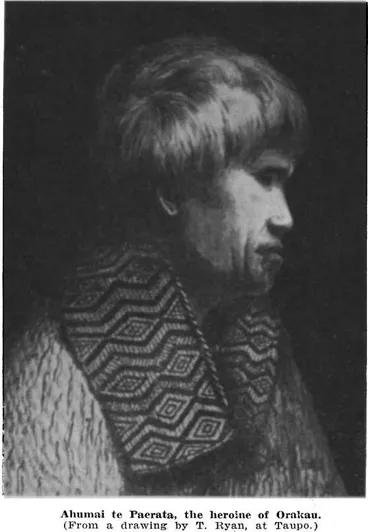
Major Organizations Organization Historical Role Rewi Maniapoto garrison Kingitanga fighting core Cameron-Carey field force Imperial-colonial siege army Women of Orakau (Ahumai Te Paerata) Refusal inside the pa King Country hinterland Escape ground
Beginning of the Revolution
Date: 31 March 1864 (British investment of the hastily built Ōrākau pā) Late March 1864: Rewi's people dig at Ōrākau. 31 March: British surround them. Appeals to surrender.
The reply that New Zealand school memory shortened to ake, ake, ake. 2 April: the breakout. The beginning is a spade in poor ground; the end is a run through a cordon.
Major Developments • Pa built in haste. • 31 Mar investment. • Surrender refused.
A Sentence of Forever, a Pa of Three Days
Ka whawhai tonu matou is 1864's political harvest, whether spoken as a single orator or as a garrison's shout (the sources disagree on the exact mouth). Ahumai Te Paerata's refusal to send women out is the other sentence. Cameron took the ground and not the Kingitanga's will. The King Country as a refuge-state follows this breakout. Parihaka would later fight without guns in Taranaki; Ōrākau is the gun-year's emblem. This atlas will not reduce the dead on the open ground to a patriotic plaque.
A. 31 Mar-1 Apr
B. Women in the pa
C. 2 Apr
Breakout and King Country sequel.
Major Events and Developments
Date Event Historical Importance 31 Mar 1864 British surround Orakau Siege opens 31 Mar-2 Apr 1864 Surrender refused Political peak 2 Apr 1864 Breakout Military end
Key figures
People filed under this revolution: Rewi Manga Maniapoto, Duncan Alexander Cameron, Ahumai Te Paerata, Te Paerata (Ngati Te Koheroa of the Orakau garrison), George Jackson Carey / British-colonial siege force of 31 March-2 April, Maori garrison of Orakau (Maniapoto, Raukawa, Waikato, Tuhoe and allied).
Historical Significance and Legacy
Ōrākau is the Waikato War's emblem-battle: a three-day pā, a forever-fight sentence, a breakout toward the King Country. Cameron took earth. Rewi kept a politics. Ahumai kept the women inside the meaning of the stand. Parihaka and the Dog Tax are later, different Maori grammars of refusal. 1864 here is still a gun-war of the Kingitanga's south.
1. A documented refusal that became national language.
2. Preserved Rewi and a King Country sequel.
3. Women's political presence inside a siege.
4. Forced a British set-piece to become a moral defeat in later memory.
5. Multi-iwi garrison as Kingitanga fact.
6. A dense official-plus-Maori file of three days.
Historical Limitations Heavy Maori dead on the breakout. Pa poorly sited. Waikato basin already lost. Easy school shortening of the shout. Cameron still took the field. Casualties disputed. 1864 did not stop the confiscations.
Chronology and Conclusion
Year / Date Historical Development 31 Mar 1864 Siege opens 2 Apr 1864 Breakout Conclusion The Maori Resistance at Orakau of 1864 was Rewi Maniapoto's three-day stand in an unfinished pā, a surrender refused and a breakout through Cameron's ring.
The ground fell. The sentence remained. Women had stayed. The King Country was still a country on the other side of the Puniu.