Historical Overview
Country: Mexican Republic (Santa Anna's last dictatorship; then liberal interim)
Main Location: Ayutla, Guerrero, Mexico (1 March 1854 Plan; southern insurrection that unseated Santa Anna in 1855)
Beginning Date: 1 March 1854 (Plan of Ayutla issued from Guerrero under Juan Álvarez's southern power, drafted with Florencio Villarreal's military-political hand)
End of Revolutionary Uprising: 1855 (Santa Anna leaves; Álvarez then Comonfort as liberal executives; the Reform laws still in the future as a separate war)
Broader Revolutionary Period: 1854–1855
Movement Type: Liberal Pronunciamiento-Revolution; Anti-Santanista Rising
Principal Organization: Juan Álvarez's southern guerrilla-state; Ignacio Comonfort's moderate-liberal junction; the Plan's military authors including Florencio Villarreal
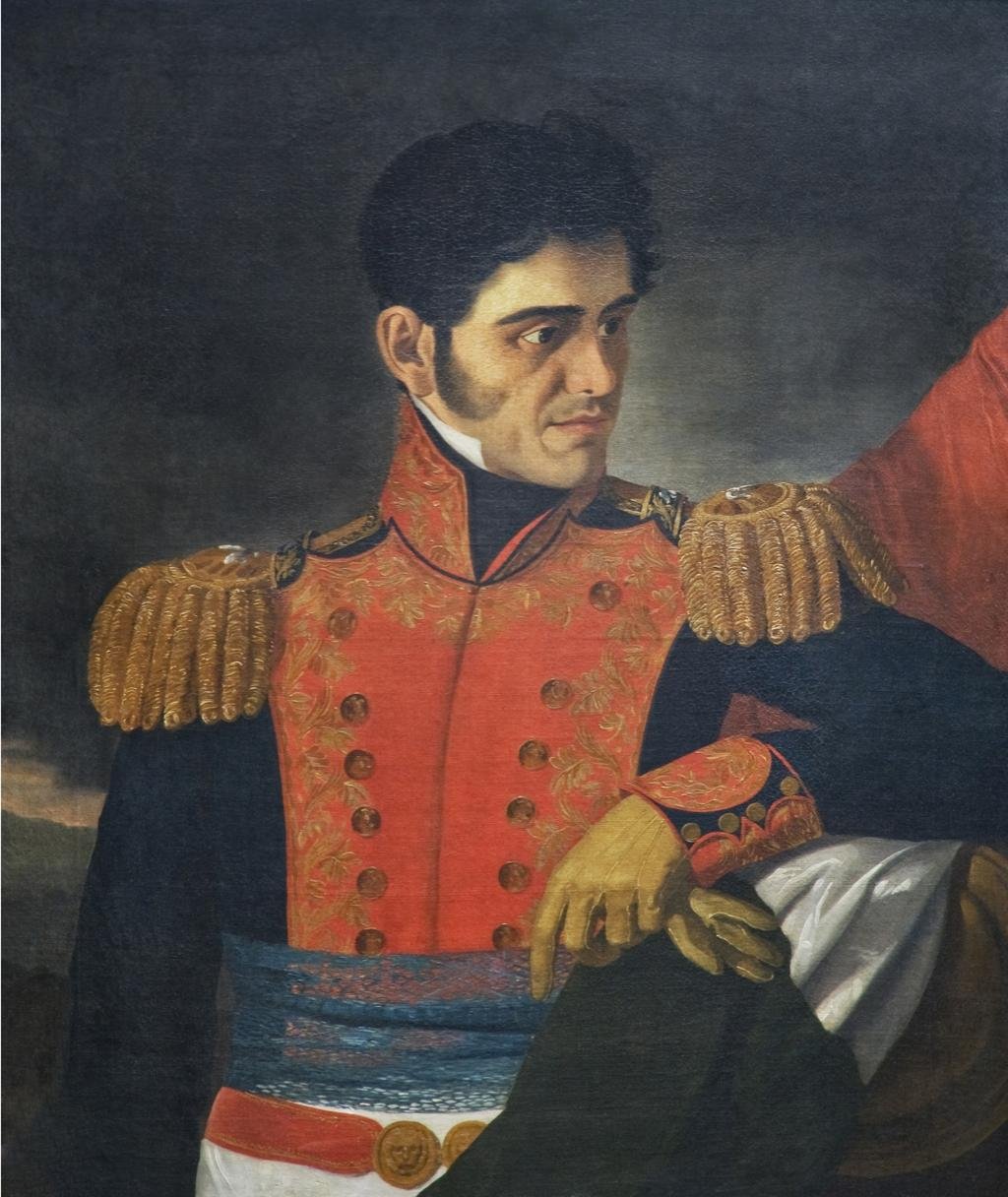
Opposing Power: Antonio López de Santa Anna's last central dictatorship; santanista garrisons
Major Participants: Guerrero's southern fighters, moderate liberals joining from the centre, santanista officials in flight, a republic tired of a many-times president.
Years used on the map: 1854–1855.
Mapped place: Ayutla, Guerrero, Mexico.
The Liberal Revolution of 1854–55 was Guerrero's Plan of Ayutla: a southern rising that named Santa Anna's last dictatorship as the enemy, brought Juan Álvarez's pueblo-military power into national politics, carried Ignacio Comonfort as the moderate hinge, and ended in 1855 with the caudillo at last gone.
It is not the Reform War of 1857–61. Ayutla unseats a man; the Reform War fights a constitution and a church. Juárez will dominate the later file. This one is Álvarez's south, Villarreal's plan-text, Comonfort's climb, Santa Anna's exit. Veracruz and Mexico City as 1858–60 capitals belong to the next entry.
1. 1 March 1854 at Ayutla.
2. Santa Anna's 1855 exit.
3. Distinct from the 1857–61 Reform War.
Historical Background and Causes
Santa Anna had sold territory, crowned himself with titles, and exhausted even conservative patience.
Álvarez's south had a peasant-military grammar older than 1854. Moderates needed a plan that was not a puro's social earthquake. Ayutla was that paper: against the dictator, for a constituent opening, still short of the later Reform's church war.
A. Santanista exhaustion
A caudillo one return too far.
B. Álvarez's southern army-people
C. Moderate liberal need
Comonfort as a joinable name.
D. A written Plan
Villarreal's text as a national invitation.
E. Fiscal and territorial shame
A state that had sold ground.
Formation and Organisation
A plan published from a small Guerrero place-name, southern guerrilla pressure, adhesions of garrison towns, Santa Anna's departure in 1855, Álvarez's brief presidency, Comonfort's succession. The revolution's organisation is pronunciamiento plus a real southern army, not yet Juárez's Veracruz government of 1858.
Major Organizations Organization Historical Role Juan Álvarez / Guerrero Southern core Florencio Villarreal Plan text Ignacio Comonfort Moderate hinge Santa Anna Falling dictator
Beginning of the Revolution
Date: 1 March 1854 (Plan of Ayutla issued from Guerrero under Juan Álvarez's southern power, drafted with Florencio Villarreal's military-political hand) 1 March 1854: Ayutla's plan. Southern fighting. 1855: Santa Anna gone. Álvarez in, then Comonfort.
The beginning is a Guerrero paper. The listed end is a vacant santanista throne, not yet a three-year war of Reform.
Major Developments • 1 Mar 1854 Plan. • Southern war. • 1855 Santa Anna leaves. • Álvarez then Comonfort.
A Plan against a Man, not yet a War against a Church
Mexican liberal memory often melts 1854 into 1857. This atlas refuses the melt. Ayutla is the anti-Santanista revolution. The Reform War is the constitutional-clerical civil war that follows the 1857 charter. People overlap (Comonfort especially). The hinge-event does not. Santa Anna's fall is 1855's prize. Lerdo's laws and Miramón's siege-guns are the next file.
A. 1 Mar 1854
B. 1854-55
Southern-national adhesions.
C. 1855
Major Events and Developments
Date Event Historical Importance 1 Mar 1854 Plan of Ayutla Opening 1854-55 Southern insurrection and adhesions War Santa Anna leaves; Álvarez-Comonfort succession End of this revolution
Key figures
People filed under this revolution: Juan Álvarez, Ignacio Comonfort, Florencio Villarreal, Antonio López de Santa Anna, Southern fighters of Guerrero and the Ayutla adhesions (1854–55).
Historical Significance and Legacy
1854–55 is Mexico's Ayutla revolution, Guerrero unseating Santa Anna before the Reform War's constitutional blood. Álvarez, Comonfort, Villarreal, and a fallen caudillo are this file. Juárez, Miramón, and McLane-Ocampo are the next.
1. A dated Plan from Ayutla.
2. Ended Santa Anna's last dictatorship.
3. Brought Álvarez's south into national liberal politics.
4. Installed a liberal executive path (Álvarez-Comonfort).
5. Kept distinct from 1857–61.
6. A pronunciamiento that actually removed the named man.
Historical Limitations Did not settle church-state. Comonfort's later 1858 failure is a sequel. Social program limited. Easy to fuse with Reform War in textbooks. Santa Anna's myth outlived 1855. Not a social revolution of land.
Chronology and Conclusion
Year / Date Historical Development 1 Mar 1854 Plan 1854-55 Insurrection Santa Anna gone Conclusion The Liberal Revolution of 1854–55 was the Plan of Ayutla's southern rising that drove Santa Anna out and seated Álvarez then Comonfort.
It unseated a dictator. It did not yet fight the Reform War. Guerrero had opened a door; 1857 would set the house on fire.