Historical Overview
Country: Saint-Domingue in the Haitian Revolution, between Britain-Spain wars and the 1802 French return
Main Location: Les Cayes and Jacmel, Haiti (southern civil war of 1799-1800, Guerre des Couteaux, Rigaud versus Toussaint)
Beginning Date: June 1799 (open war between Toussaint Louverture's northern-western power and André Rigaud's southern coloured command)
End of Revolutionary Uprising: July 1800 (Jacmel fallen after siege; Rigaud into exile; Toussaint's unity of the colony before the 1801 constitution and 1802 French invasion)
Broader Revolutionary Period: 1799–1800
Movement Type: Civil War inside the Haitian Revolution; South versus Toussaint
Principal Organization: André Rigaud's southern mixed-race military republic-of-the-south; Toussaint's army including Dessalines in the campaign
Opposing Power: Each other: two revolutionary armies of Saint-Domingue, not the 1791 slave insurrection's first year as the subject
Major Participants: Rigaud's southern officers (including Pétion), Toussaint's generals (including Dessalines), Jacmel's besieged, the coloured elite of the south, formerly enslaved rank of both armies.
Years used on the map: 1799–1800.
Mapped place: Les Cayes Jacmel, Haiti.
The War of Knives of 1799-1800 was Saint-Domingue's southern civil war: André Rigaud's Les Cayes-Jacmel power against Toussaint Louverture's unification, ended when Jacmel fell in 1800 and Rigaud fled.
Unique versus 1791: this is not the opening slave insurrection; it is a war of two revolutionary commands after freedom-in-arms already existed. Unique versus 1802 Delgrès in Guadeloupe (next sheet, another island). Historical overview of a Haitian civil war inside the revolution.
1. Rigaud's south versus Toussaint.
2. Jacmel siege as the military hinge.
3. 1800 unification under Toussaint, before 1802.
Historical Background and Causes
By 1798 the British were leaving and Toussaint was the colony's great Black general. Rigaud's south remained a coloured military province with its own honour and plantations-without-slavery-as-before.
Hédouville's French intrigue and personal-military pride exploded June 1799. Knives, in the war's name, are the civil-war bitterness, not a tutorial.
A. Two Commands
A colony with two armies.
B. Colour and Class
South's coloured elite versus Toussaint's Black soldiery in the political language of the time.
C. French Intrigue
Hédouville's departure-gift of division.
D. Port-and-Plantation South
Les Cayes as a rival capital.
E. Toussaint's Unification Project
A single Saint-Domingue before France returned.
Formation and Organisation
Southern offensive then Toussaint's counter, Dessalines in the south, Jacmel under Pétion's defence in the famous siege, Rigaud to France, 1800 Toussaint's map. 1802 would wreck that map from the sea.
This sheet ends in 1800. No siege instruction. Major Organizations Organization Historical Role Rigaud south Les Cayes command Toussaint-Dessalines Unification army Pétion at Jacmel Siege defence Hédouville intrigue French fuse
Beginning of the Revolution
Date: June 1799 (open war between Toussaint Louverture's northern-western power and André Rigaud's southern coloured command) Jun 1799: war. Southern early successes. Toussaint's counter-campaign. 1800: Jacmel siege, fall, Rigaud exile. Toussaint governs a united colony — briefly, before Leclerc.
Major Developments • June 1799. • Two revolutionary armies. • Jacmel 1800. • Rigaud exile.
A Revolution's Civil War, Not Its 1791 Opening
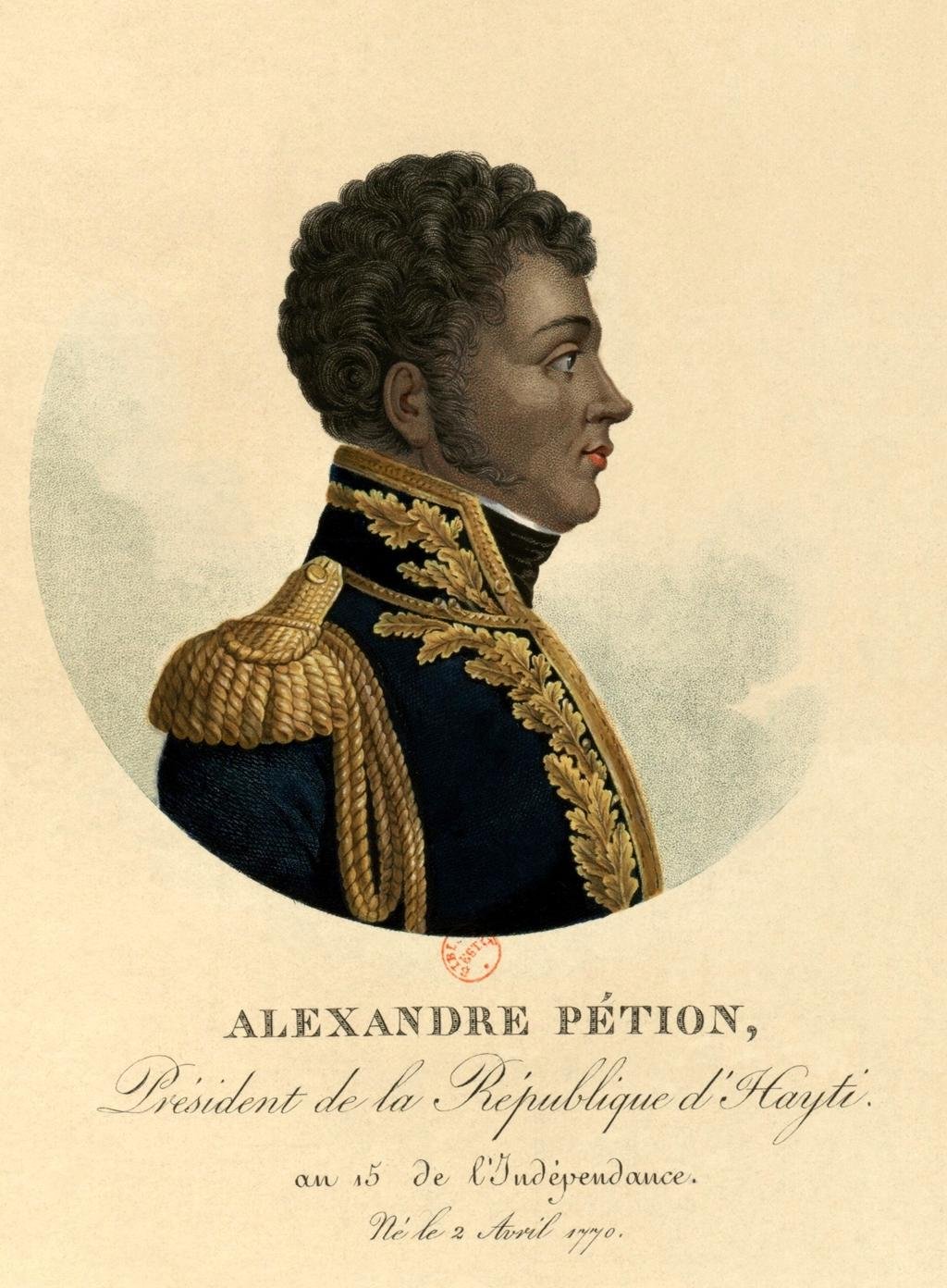
Haitian memory is uneasy with 1799 because both sides are of the revolution. This atlas still lists it: unification had a price in the south. Pétion would return in 1806-18 as a republican president of a later south. 1799 he is Rigaud's Jacmel. Toussaint's 1801 constitution and 1802 arrest are sequels. Delgrès 1802 is Guadeloupe, not Jacmel.
A. Two armies
B. Jacmel
C. 1800
Major Events and Developments
Date Event Historical Importance Jun 1799 War of Knives opens Opening Jacmel falls, Rigaud flees End
Key figures
People filed under this revolution: André Rigaud, Toussaint Louverture, Jean-Jacques Dessalines (southern campaign of 1799-1800), Alexandre Pétion (Jacmel 1800), Gabriel Hédouville (French intrigue as fuse), Jacmel civilian-military besieged of 1800.
Historical Significance and Legacy
1799-1800 is the Haitian Revolution's southern civil war, Rigaud versus Toussaint, Jacmel's fall, unification before Leclerc. 1791 is the opening. 1915 is occupation. 1802 Delgrès is Guadeloupe. Four files, four geographies of related but unmerged struggles.
1. A dated revolutionary civil war.
2. Named Rigaud, Toussaint, Dessalines, Pétion.
3. Jacmel as hinge.
4. Separated from 1791 and 1915.
5. Unification as 1800's product.
Historical Limitations Bitter colour-class memory. Siege dead. Toussaint's 1802 sequel overshadows. Easy to skip as 'just Toussaint winning'. Not 1791. Not Delgrès.
Chronology and Conclusion
Year / Date Historical Development Jun 1799 War opens Jacmel falls Conclusion The War of Knives of 1799-1800 was Rigaud's south against Toussaint, ended at Jacmel in 1800.
It is a civil war inside the Haitian Revolution, not the 1791 opening, and not Guadeloupe 1802.