Historical Overview
Country: Republic of Turkey
Main Location: Istanbul, Turkey (Gezi Park / Taksim; then dozens of cities)
Beginning Date: 28 May 2013 (tents against demolition of Gezi Park)
End of Revolutionary Uprising: mid-to-late June 2013 as the park occupation; trials and memory through subsequent years (Kavala case)
Broader Revolutionary Period: 2013 (Taksim-Gezi days)
Movement Type: Urban Civic Occupation; Environmental-Libertarian Mass Protest
Principal Organization: Taksim Solidarity; spontaneous park commune; later legal defence networks
Opposing Power: AKP government of Recep Tayyip Erdogan; Istanbul Metropolitan Municipality; riot police
Major Participants: Environmentalists, students, football ultras (Carsi), Alevis, LGBT blocs, professionals, provincial copy-occupations.
Years used on the map: 2013.
Mapped place: Istanbul, Turkey.
The Gezi Park Movement began as a few tents defending a central Istanbul park from a mall-and-barracks replica project and became, after a harsh police burning of camp on 31 May 2013, a nationwide revolt of a generation against Recep Tayyip Erdogan's majoritarian style.
The Woman in Red (Ceyda Sungur) pepper-sprayed in a summer dress, the standing-man protests, and a park commune of libraries and infirmaries defined a civic aesthetic. Police killed Ethem Sarisuluk, Abdullah Comert, Ali Ismail Korkmaz, Mehmet Ayvalitas and others. The park was cleared; Osman Kavala would later be imprisoned as an alleged organiser. Gezi is Turkey's 2013 square.
1. A park that became a national question of how to live.
2. Police violence as recruitment.
3. A commune without a party that still changed the culture.
Historical Background and Causes
AKP urban transformation, the 2011 third-bridge and mosque-in-Taksim symbolism, and a polarised media made a few trees political. Social media outran television. Football ultras brought street craft the NGOs lacked.
A. Park Demolition
B. 31 May Police Raid
Tents burned, a city woke.
C. Majoritarian Tone
Erdogan's 'a few capulcu' insult.
D. Urban Authoritarianism
Taksim as a stage of the new Turkey.
E. Youth Precarity
A generation with degrees and no voice.
Formation and Organisation
Taksim Solidarity convened architects, chambers and parties without owning the park.
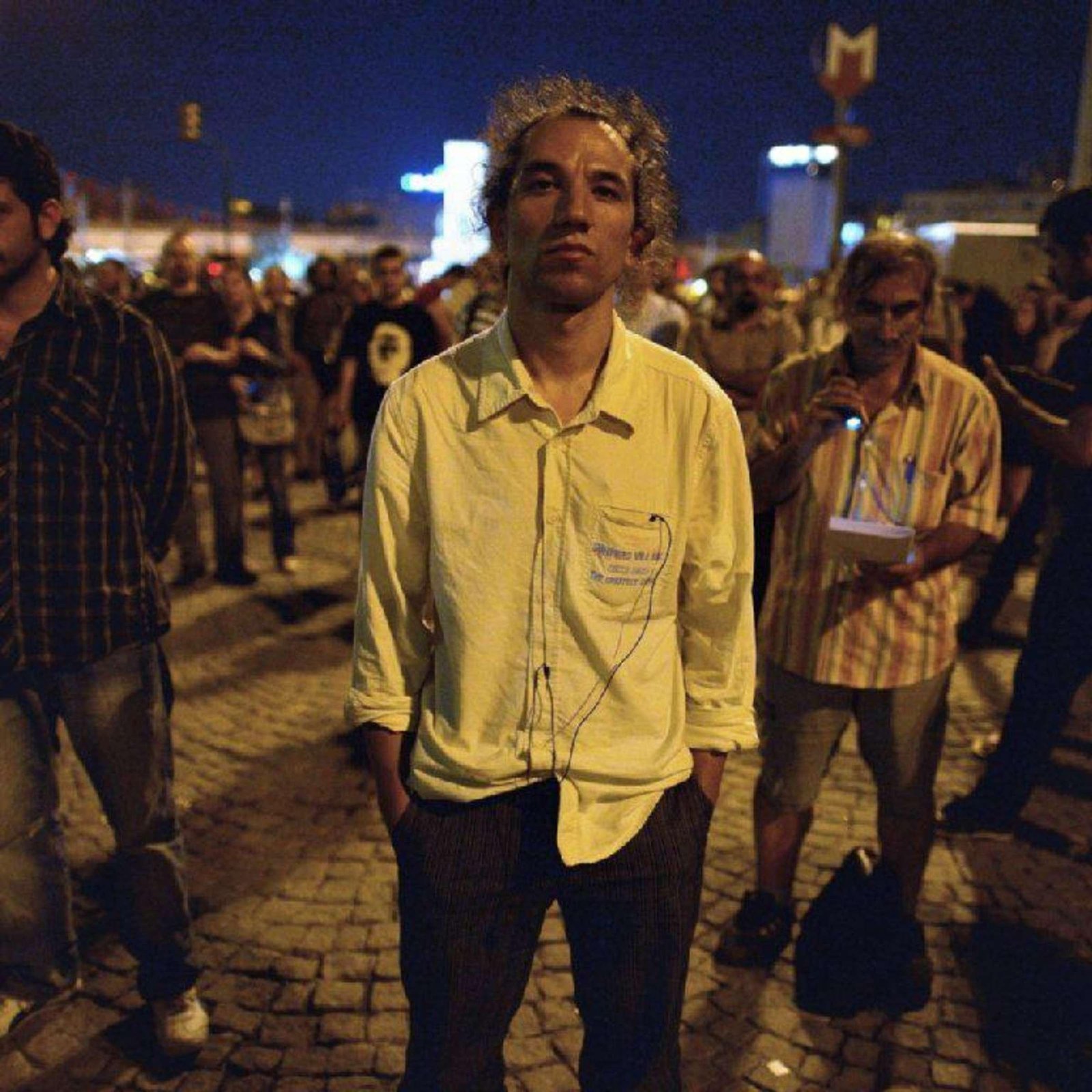
Decision-making was assembly-based and messy. After clearance, standing-man (Erdem Gunduz) and local forums (forums of the parks) tried to keep a politics without a plaza.
Major Organizations Organization Historical Role Taksim Solidarity Legal-civic umbrella Gezi commune Occupation infrastructure Football ultras Street defence Police / TOMA Repression Provincial park copies Nationalisation
Beginning of the Revolution
Date: 28 May 2013 (tents against demolition of Gezi Park) On 28 May a handful of activists stopped bulldozers. Photographs of tents in fire on 31 May filled timelines. By 1–2 June Taksim belonged to hundreds of thousands. Ankara, Izmir and Antakya rose.
The demand list grew from trees to dignity. Major Developments • 28 May tents. • 31 May raid.
• June citywide. • Deaths of protesters. • Clearance of the park.
Clearance, Deaths and the Kavala Afterlife
Government talks with Taksim Solidarity failed. TOMA water cannon and live-adjacent force retook the park. The later Gezi indictment treated a festival of refusal as a coup plot and put Osman Kavala in permanent pre-trial then convicted isolation. Gezi's legal afterlife is part of the movement's history: the state rewrote a park as a conspiracy.
A. 28–31 May
B. June commune
C. Clearance
Force restores the square.
D. Kavala file
Major Events and Developments
Date Event Historical Importance 28 May 2013 Tents vs bulldozers Origin 31 May 2013 Camp burned National trigger June 2013 Mass occupation Peak 15 June 2013 c.
Park cleared End of the commune 2013–22 Gezi trials / Kavala Legal afterlife
Key figures
People filed under this revolution: Ceyda Sungur, Recep Tayyip Erdogan, Osman Kavala, Mucella Yapici, Ethem Sarisuluk, Erdem Gunduz.
Historical Significance and Legacy
Gezi named a cultural majority-minority split in Turkey that elections alone had hidden. Capulcu, standing man, and the park's trees remain opposition memory. The Kavala imprisonment made 2013 a permanent legal present.
1. Saved (for a time) the park as a political fact.
2. Nationwide civic mobilisation.
3. A repertoire of humour and care (library, infirmary).
4. Global iconic photography.
5. Cross-group coalitions (ultras, LGBT, Alevis).
6. A standing-protest method after clearance.
Historical Limitations No institutional transfer of power. Deaths and eye injuries from gas canisters. Polarisation. Later Gezi trial as revenge historiography. Erdogan's rule continued. Urban project logic resumed.
Chronology and Conclusion
Year / Date Historical Development 28 May 2013 Tents 31 May 2013 Raid June 2013 Peak and deaths mid-June 2013 Clearance 2017– Kavala arrest/trial Conclusion The Gezi Park Movement began with trees in Taksim and became Turkey's 2013 argument about public space and obedience.
The park was cleared. The photograph of the red dress and the prison file of Osman Kavala kept the argument open.