Movement Overview
Movement title: Defiance Campaign (1952): Common names: Defiance Campaign; Campaign of Defiance against Unjust Laws; Defiance of Unjust Laws Campaign.
Period: Officially launched on 26 June 1952; mass actions continued through late 1952 and into 1953, with effects and organizational consequences continuing afterward.
Country and region: Union of South Africa; actions in Johannesburg, Boksburg, Port Elizabeth (now Gqeberha), Durban, Cape Town, East London, Bloemfontein, Worcester and other urban and regional centres.
Movement type: Anti-apartheid campaign; organized nonviolent civil disobedience; mass political mobilization.
Core aims: Challenge and seek repeal of unjust racial laws; oppose pass controls, curfew restrictions, racial segregation in public facilities and discriminatory political arrangements; build cross-racial cooperation and mass participation.
Principal organizations: African National Congress (ANC) and South African Indian Congress (SAIC), with participation by allied organizations and volunteers.
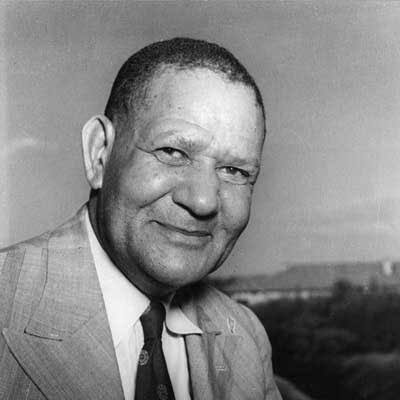
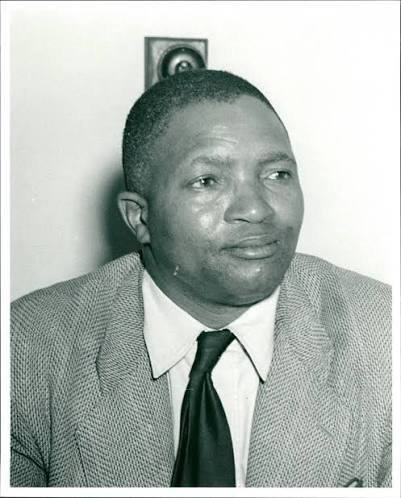
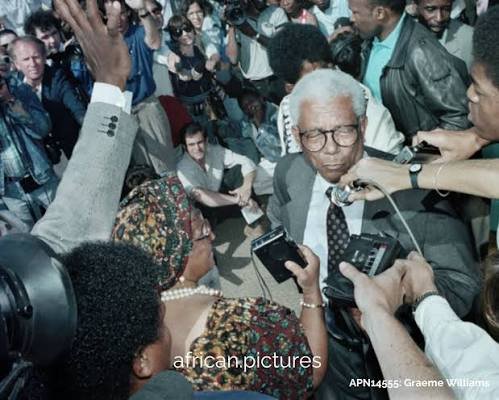
Principal figures: Dr James Sebe Moroka, Nelson Mandela, Walter Sisulu, Dr Yusuf Mohamed Dadoo, Ismail Ahmed Cachalia, Nana Sita and other regional organizers.
Historical Background
After the National Party came to power in 1948, the apartheid state expanded racial segregation and political exclusion through new laws and stricter enforcement of existing measures. The ANC increasingly moved away from relying mainly on petitions and deputations and adopted boycotts, strikes, non-cooperation and civil disobedience as mass-action tactics.
Planning for a joint campaign developed in 1951 through discussions involving the ANC, SAIC and other anti-discrimination representatives. The campaign sought to repeal selected laws and coordinated actions across major centres. On 6 April 1952, mass meetings and a National Day of Pledge and Prayer helped build momentum. Volunteers were organized and trained to break specific laws peacefully and accept arrest.
On 26 June 1952, volunteers began defying discriminatory regulations in multiple cities. Actions included entering locations without required permits, violating curfew regulations and using railway-station or post-office facilities reserved for white people. Arrests spread as the campaign grew. The state prosecuted leaders under the Suppression of Communism Act and imposed restrictions and bans. In December 1952, 20 national leaders were convicted of statutory communism and received suspended sentences.
The campaign did not force the government to repeal the targeted laws. Nevertheless, it drew thousands into political action, helped expand ANC membership, attracted international attention and strengthened cross-racial cooperation. It is widely treated as a major turning point in the development of mass resistance to apartheid.
Major Institutions, Authorities and Milestones
• African National Congress (ANC): Principal African-led organization coordinating the campaign.
• South African Indian Congress (SAIC): Key partner in joint planning and leadership.
• Allied organizations and volunteers: Local congresses, action committees and individuals from different racial communities helped organize and carry out acts of civil disobedience.
• Apartheid government: National Party government and its police, courts and administrative agencies enforced the discriminatory laws and prosecuted campaign participants.
• Core laws challenged: Pass laws and permit controls; curfew regulations; racial segregation in railway stations, post offices and other public facilities; and laws restricting political organizing.
• National volunteer structure: Volunteers pledged to follow campaign discipline and carry out planned acts of defiance without violence.
• Evidence status: Broad chronology and leading organizations are well documented; totals for arrests, exact individual roles and some biographical details vary by source.
Educational Priorities and Activities
1948: National Party takes power and accelerates the implementation of apartheid.
1949: ANC adopts a Programme of Action emphasizing boycotts, strikes, civil disobedience and non-cooperation.
1951: ANC, SAIC and allied representatives develop a coordinated campaign plan against selected discriminatory laws.
6 April 1952: National Day of Pledge and Prayer and mass meetings help prepare the public for coordinated action.
22 June 1952: Volunteers participate in a preparatory Day of the Volunteers and pledge to take part in the campaign.
26 June 1952: Defiance Campaign officially launched; volunteers challenge discriminatory regulations in Johannesburg, Boksburg, Port Elizabeth and other centres.
July–September 1952: Arrests increase as actions spread to more towns and cities.
12 August 1952: National leaders are arrested and charged under the Suppression of Communism Act.
2 December 1952: Twenty national leaders are found guilty of statutory communism and receive suspended sentences.
Late 1952–1953: Campaign actions diminish under repression, but membership growth and cross-racial cooperation have lasting consequences.