Historical Overview
Country: Spanish Cuba
Main Location: Bayamo, Cuba (Grito de Yara / 10 October 1868; war in Oriente and westward to the failing trocha)
Beginning Date: 10 October 1868 (Céspedes frees his enslaved people and proclaims at Yara; Bayamo as the first republican city)
End of Revolutionary Uprising: 10 February 1878 (Pact of Zanjón; Maceo's Protest of Baraguá as a refusal without reversing the peace)
Broader Revolutionary Period: 1868–1878
Movement Type: Anticolonial Independence War; Abolitionist Republican Rising
Principal Organization: Cuban Liberation Army / Republic in Arms (Céspedes, then others; Maceo, Gómez, Agramonte)
Opposing Power: Spanish colonial army and volunteers; Captain-Generals of the decade
Major Participants: Oriente patriots, formerly enslaved fighters, tobacco and sugar worlds of mixed loyalty, Spanish peninsular troops, U.S. filibuster watchers, Lares's Puerto Rican autumn as a sibling Grito.
Years used on the map: 1868–1878.
Mapped place: Bayamo, Cuba.
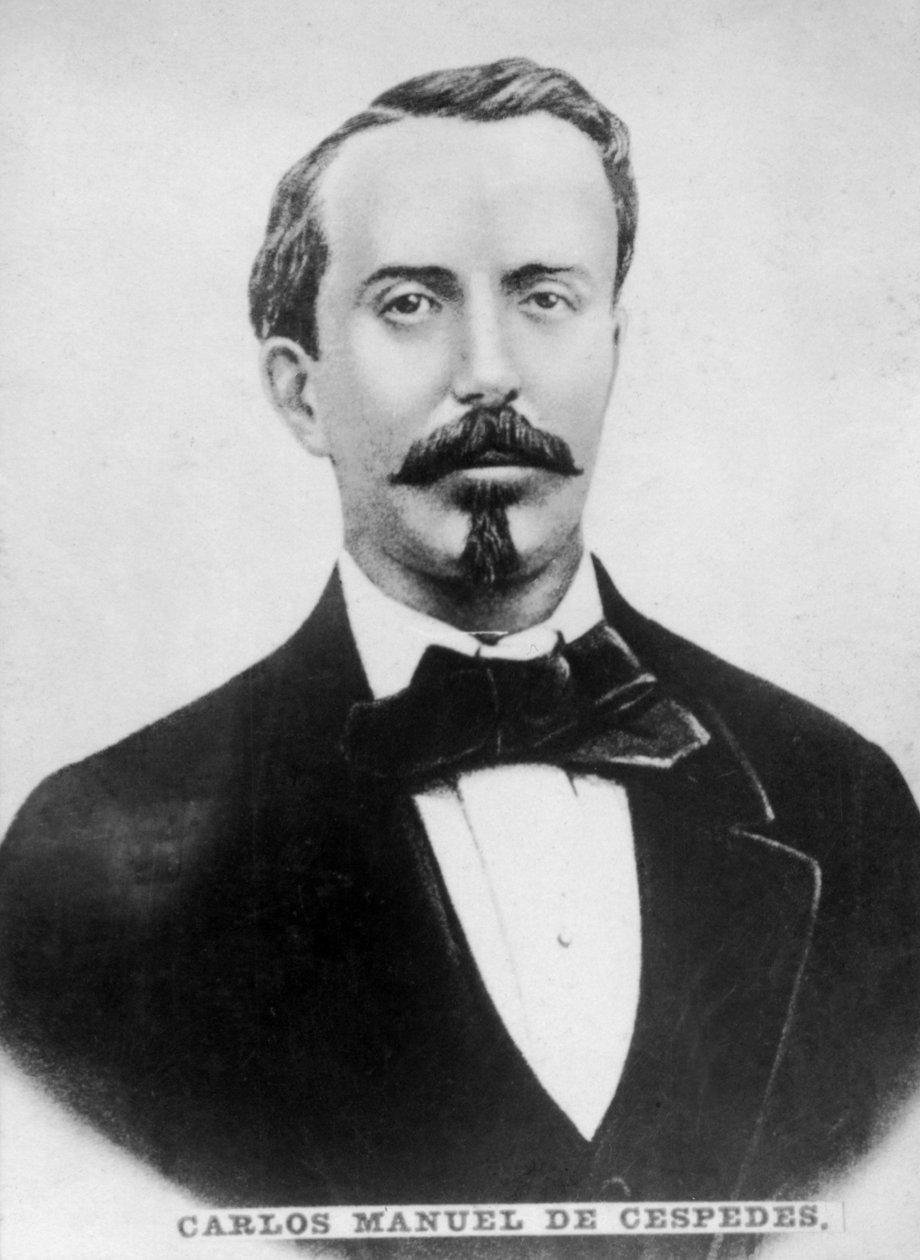
The Cuban Ten Years' War of 1868–78 began with Carlos Manuel de Céspedes's 10 October Grito (Yara-Bayamo), built a Republic in Arms that mixed independence and gradual abolition, and ended in the 1878 Pact of Zanjón that Spain could live with and Antonio Maceo would not.
It is not 1895–98 (a later war) and not Lares's week. It is a decade of Oriente fire that failed to take the west's sugar fully and still unmade slavery's political future on the island. Bayamo burned rather than surrender in 1869. Zanjón is a pause, not a conversion of Maceo.
1. 10 October 1868 as founding.
2. A republic that burned Bayamo.
3. Zanjón and Baraguá as a split end.
Historical Background and Causes
Cuban creole grievance, enslaved labour, Spanish tax and exclusion, 1868's Spanish revolution, and Oriente's ranching-patriot world: Céspedes combined them on his estate. Abolition was both a principle and a recruiting need.
A. Colonial Exclusion
B. Slavery
A labour system the war had to name.
C. 1868 Spain
A metropole in revolution.
D. Oriente Geography
E. Sugar West
A prize the decade did not fully win.
Formation and Organisation
A wandering republic, caudillo-tensions (Céspedes deposed 1873), Afro-Cuban officers (Maceo) the creole elite feared, Máximo Gómez's Dominican professionalism, Spanish trochas. 1878's pact offered reforms and a forgetfulness Maceo rejected at Baraguá.
Major Organizations Organization Historical Role Republic in Arms Revolutionary state Maceo-Gómez army Best field force Spanish army / volunteers Occupier Zanjón peacemakers Closing hinge
Beginning of the Revolution
Date: 10 October 1868 (Céspedes frees his enslaved people and proclaims at Yara; Bayamo as the first republican city) 10 October 1868: Yara. Bayamo as a patriotic city. 1869: Bayamo burned by its own when Spain returned. A ten-year war had a capital in ashes on purpose.
Major Developments • 10 Oct 1868. • Bayamo. • Long Oriente war. • 1878 Zanjón. • Baraguá protest.
Maceo at Baraguá, a Peace that was a Truce
Zanjón did not give independence. It cracked slavery's remaining legality and exhausted a generation.
1879's Little War and 1895's restart are sequels. This list's 1868–78 is the founding decade. Lares had been a shout; Bayamo was a country at war. 1878's limitation is the west un-taken and Maceo unreconciled.
A. 1868-69
B. 1870s
C. 1878
Major Events and Developments
Date Event Historical Importance 10 Oct 1868 Yara / Céspedes Opening Bayamo burned Patriotic destruction Zanjón Spanish peace 15 Mar 1878 Baraguá Maceo's refusal
Key figures
People filed under this revolution: Carlos Manuel de Céspedes, Antonio Maceo, Máximo Gómez, Ignacio Agramonte, Arsenio Martínez Campos, Cuban Liberation Army rank-and-file (including formerly enslaved mambises), Spanish volunteer and peninsular forces of 1868–78.
Historical Significance and Legacy
1868–78 is Cuba's founding independence war, a decade that did not win a republic and still made 1895 possible. Bayamo's self-destruction is a patriotic emblem. Baraguá is the honour of a no. Slavery's political end on the island runs through this war. Lares is the same autumn's smaller shout.
1. A Republic in Arms for a decade.
2. Opened with emancipation of Céspedes's own enslaved people.
3. Maceo's Baraguá as a political text.
4. Forced Spanish reform bargains.
5. Created a mambí army tradition.
6. Bayamo as a founding city-myth.
7. Linked 1868 Spain to a Caribbean war.
Historical Limitations No independence in 1878. West un-taken. Céspedes deposed. Racial tension inside the patriots. Zanjón a truce. Enormous dead. U.S. watching as interest, not sisterhood. Little War 1879 showed the peace was rotten.
Chronology and Conclusion
Year / Date Historical Development 10 Oct 1868 Yara Bayamo burned Céspedes dies Zanjón / Baraguá Conclusion The Cuban Ten Years' War of 1868–78 began in Bayamo's Grito and ended in Zanjón's bargain and Maceo's no at Baraguá.
A republic had lived in the woods. Spain kept the west. The mambises kept a calendar. 1895 would open it again.