Historical Overview
Country: Kingdom of France (Louis XIV)
Main Location: Rennes and Carhaix, Brittany, France (Lower Brittany's parish rising; Rennes as the parlement city of the stamped-paper year)
Beginning Date: 1675 (stamped-paper and tobacco-gabelle riots in Rennes, then rural red-cap war in Cornouaille and around Carhaix)
End of Revolutionary Uprising: 1675–1676 (Sébastien Le Balp assassinated; Duc de Chaulnes's repression; hostages from Breton towns lodged in other provinces)
Broader Revolutionary Period: 1675
Movement Type: Anti-Fiscal Popular Rising; Breton Parish War against Stamped Paper
Principal Organization: Parish communes of Lower Brittany in red caps; urban rioters of Rennes; a peasant code circulated as a program
Opposing Power: Louis XIV's fiscal officers; the Duc de Chaulnes as governor; parlement of Rennes under royal pressure
Major Participants: Breton peasants of Cornouaille, Rennes artisans, parish priests of mixed role, ducal troops, some lesser nobles watching the code.
Years used on the map: 1675–1676.
Mapped place: Rennes and Carhaix, Brittany, France.
The Bonnets Rouges of 1675 were Brittany's red-cap war against Colbert's stamped paper, tobacco farm, and pewter duties: a Rennes street explosion that became a rural parish army around Carhaix, with Sébastien Le Balp as the named peasant captain.
A handwritten peasant code demanded the end of new farms and a restoration of Breton custom.
Chaulnes broke the communes after Le Balp was murdered by a local noble. 1675 is not the Fronde. It is a province talking to Louis XIV in red wool.
1. Papier timbre as the urban fuse.
2. Red caps as a rural uniform.
3. Le Balp dead, Chaulnes in the parishes.
Historical Background and Causes
War with the Dutch made new royal farms. Brittany's privileges were a constitution of exemptions the stamped paper tore. Rennes rioted first. Lower Brittany, poorer and Breton-speaking, put on the bonnet rouge and wrote articles as if a parish could legislate.
A. Stamped Paper
A tax on every legal act.
B. Tobacco and Pewter Farms
New monopolies on daily life.
C. Breton Privilege
A provincial contract broken.
D. Parish Literacy of Custom
A code the communes could copy.
E. War Finance
Dutch war in a Celtic province.
Formation and Organisation
Rennes attacked tax offices. Rural parishes elected syndics, wore red caps, and marched on seigneurial and farm targets. Le Balp tried to turn this into a force that might threaten the governor. Assassination of the captain, then ducal columns and hostage-towns, ended the field war. The code remained a document.
Major Organizations Organization Historical Role Rennes rioters Urban opening Red-cap parishes around Carhaix Rural army Sebastien Le Balp Named captain Duc de Chaulnes Repression
Beginning of the Revolution
Date: 1675 (stamped-paper and tobacco-gabelle riots in Rennes, then rural red-cap war in Cornouaille and around Carhaix) Spring–summer 1675: stamped-paper offices smashed in Rennes. News ran west. Carhaix country and the Montagnes Noires filled with red caps. Castles of unpopular lords and farms of traitants were the targets. Le Balp's murder was the regime's luck inside the revolt.
Major Developments • Rennes stamped-paper riot. • Rural red caps. • Peasant code.
• Le Balp killed. • Chaulnes's columns.
A Code in Breton Parishes, a Duke in the Towns
The Bonnets Rouges invented a political costume and a short constitution. Louis XIV answered with occupation manners: notables shipped inland, a parlement humiliated, peasants hanged. Sévigné's letters made the rising a salon fact. Brittany paid for 1675 in silence until later centuries found the red cap again as a revolutionary hat.
A. Rennes
B. Carhaix country
C. Winter 1675–76
Major Events and Developments
Date Event Historical Importance Rennes stamped-paper rising Urban opening Red-cap war around Carhaix Rural peak Le Balp assassinated Captain dead Chaulnes settlement End
Key figures
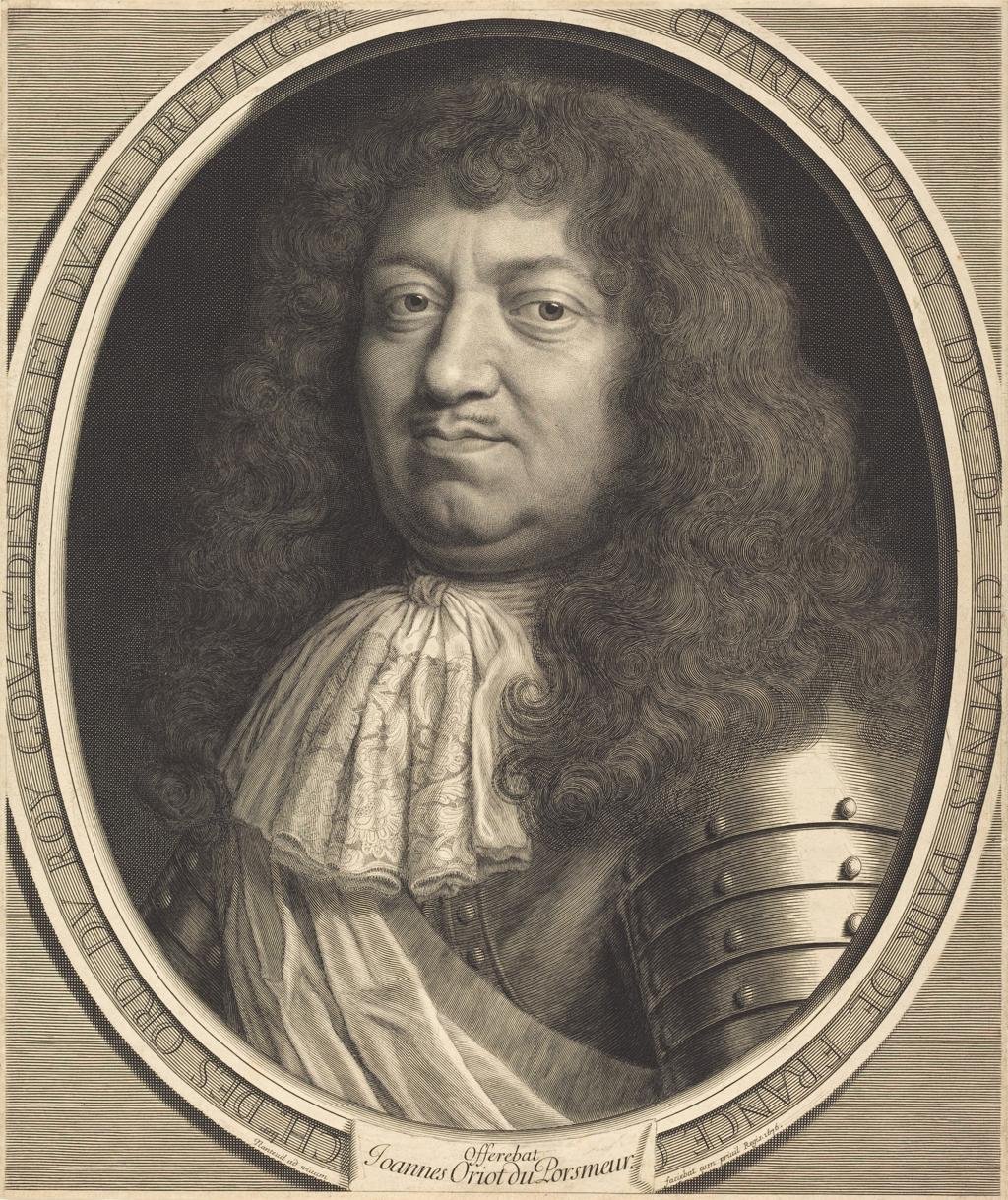
People filed under this revolution: Sébastien Le Balp, Charles d'Albert d'Ailly, Duc de Chaulnes, Jean-Baptiste Colbert, Louis XIV, Peasant code authors and parish syndics of Lower Brittany (1675), Rennes popular crowds and stamped-paper rioters of 1675.
Historical Significance and Legacy
1675 is Brittany's classic anti-fiscal parish war, the red cap before 1789 reused the colour, and a peasant code that survived as a text when the communes did not. Rennes remembers smashed offices; Carhaix country remembers columns. Louis XIV's province was quieter afterward, not reconciled.
1. A named peasant captain.
2. A written communal program.
3. A political costume.
4. Forced a ducal occupation.
5. Linked urban paper-tax to rural war.
6. A lasting Breton lieu de memoire.
Historical Limitations Le Balp murdered before a decisive march. Crushed in a season. Hostages and hangings. Privileges not restored as a system. Easy to flatten into a picturesque cap. Colbert's farms continued.
Chronology and Conclusion
Year / Date Historical Development Rennes riots Red-cap rural war Sep 1675 Le Balp killed Chaulnes settlement Conclusion The Bonnets Rouges of 1675 began in Rennes over stamped paper and became a red-cap parish war around Carhaix under Sébastien Le Balp.
The captain was stabbed. The duke took hostages. Brittany's code outlived the communes that wrote it.